新着情報
【科学部】ゲンジボタルのDNA分析実習2
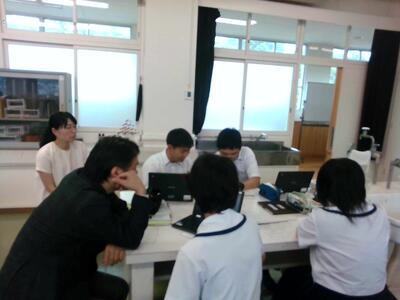
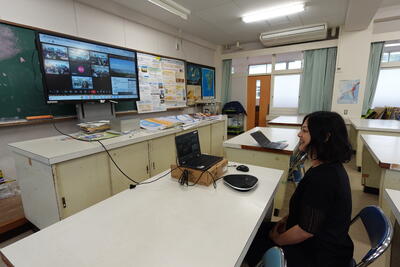
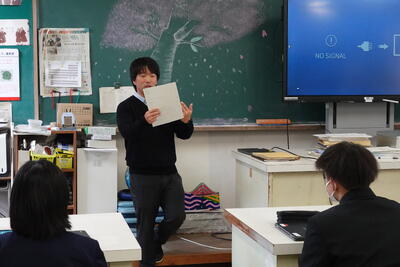
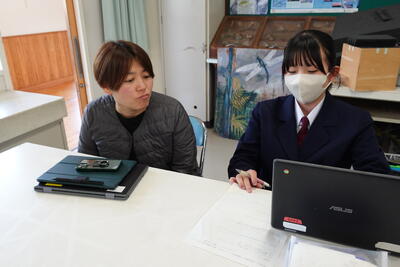
ホタル班の4名が崇城大学でDNA分析実習の2回目を行いました。
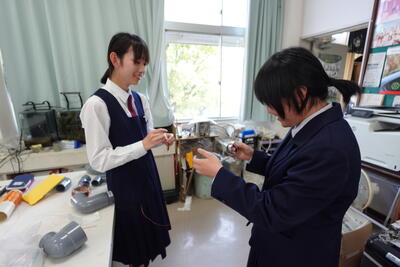
本日は校内で上手くいかなかった点を長濱先生に相談し、その工程を実際に大学で行いました。
大学では上手くいったので、天高でも上手くいきそうです。
長濱先生と研究室の皆さん、大変お世話になりました。
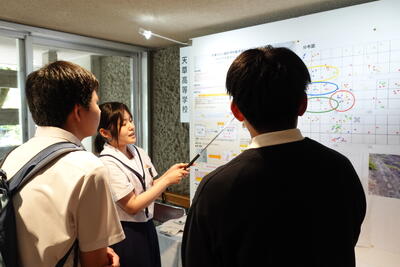
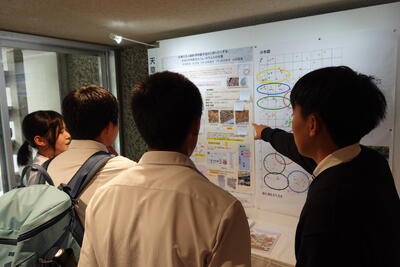
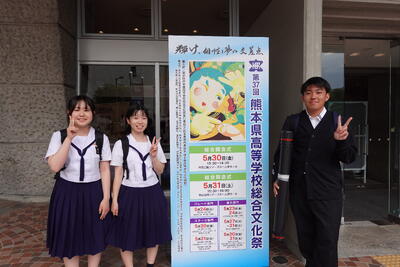
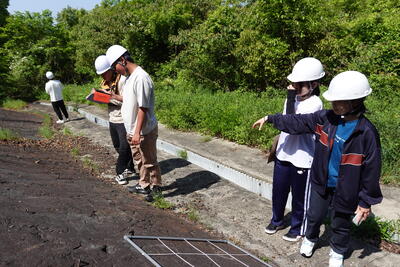
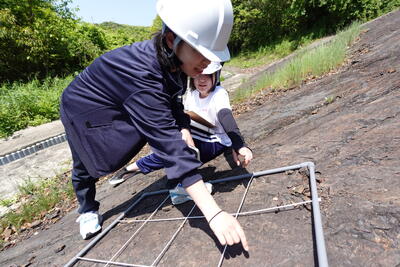
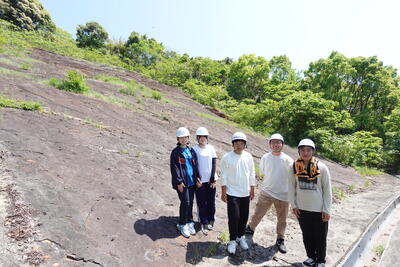
【科学部】スフェノセラムスの壁調査
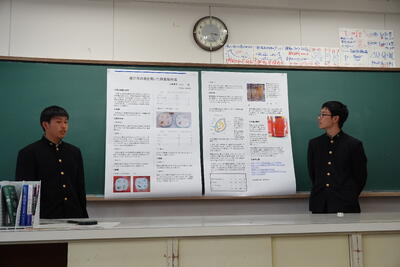
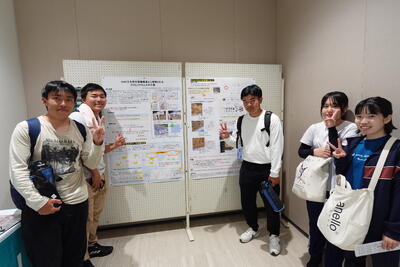
ASⅢ化石班の研究は、科学部化石班に引き継がれました。
※ASⅢ化石班は先日神戸で行われたSSH生徒研究発表会で「ポスター発表賞」を受賞しました!
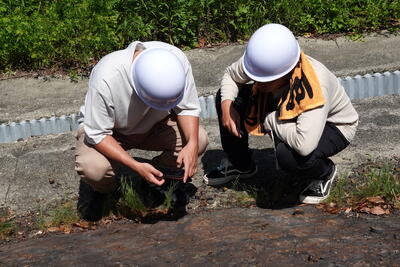
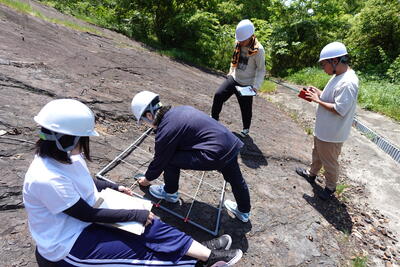
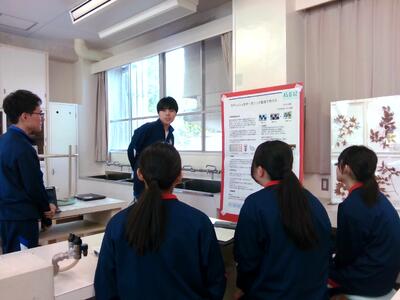
本日は科学部化石班の1,2年生4名が、引継ぎ後初の調査を行いました。
調査の様子を見ていると、何やら新しい調査も行っているようです。
先輩たちの研究を引き継ぎつつ、研究を深化させようとしていました。
今後の発展に期待です!
調査後は白亜紀資料館に展示してあるスフェノセラムスを観察し、理解を深めていました。
【ASⅡ、ATⅡ】より良いプレゼンテーションに向けて / Better slides, better presentations!
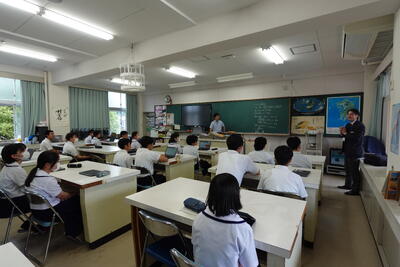
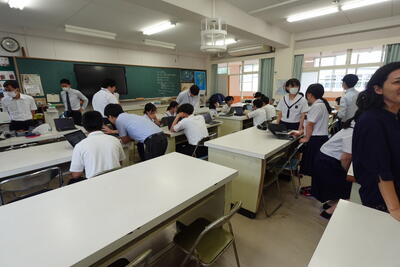
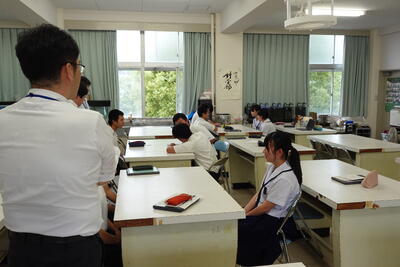
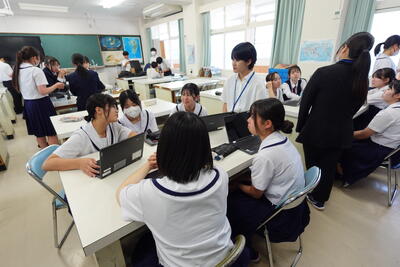
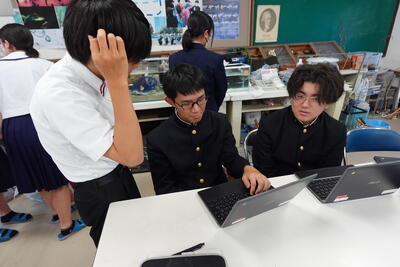
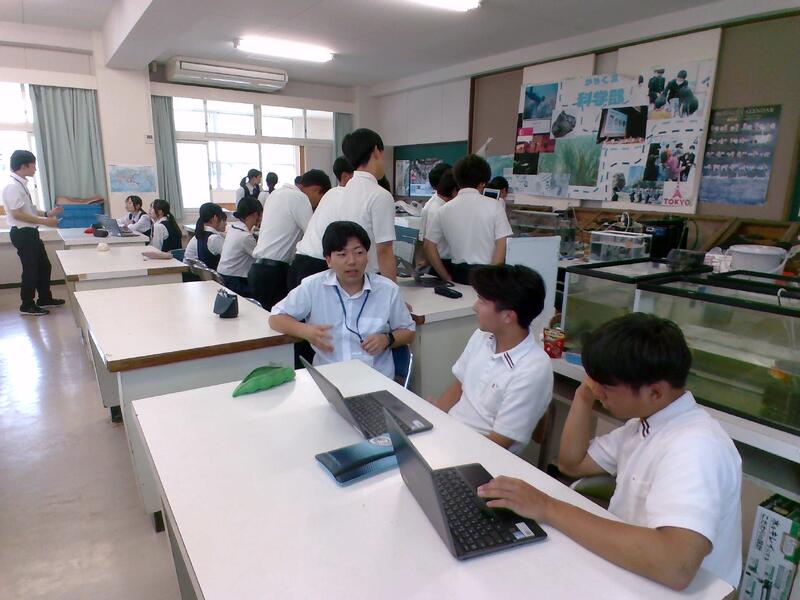
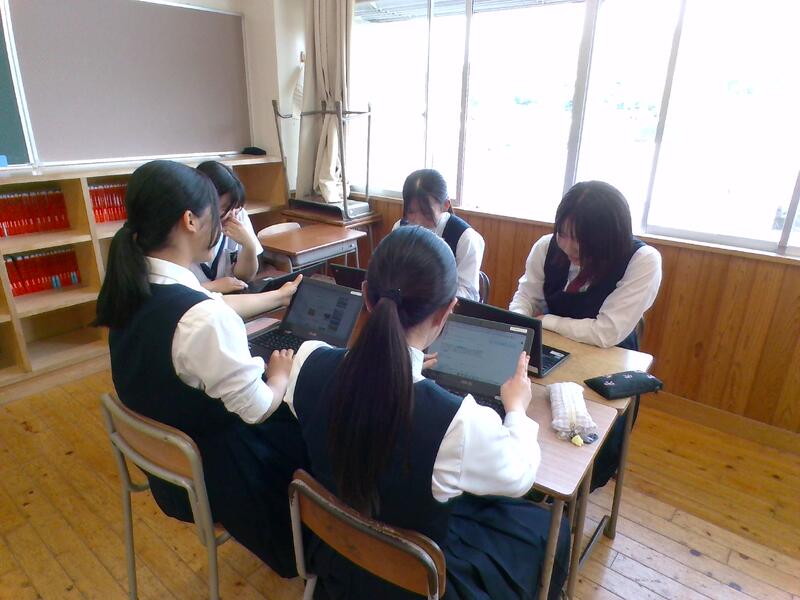
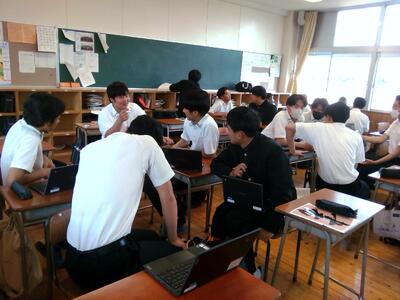
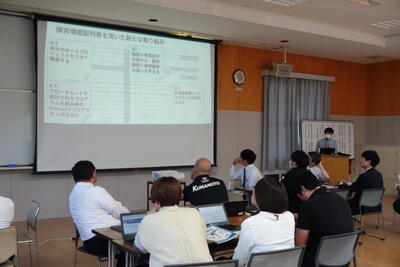
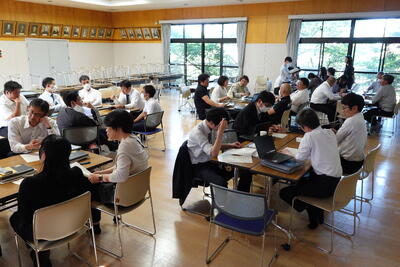
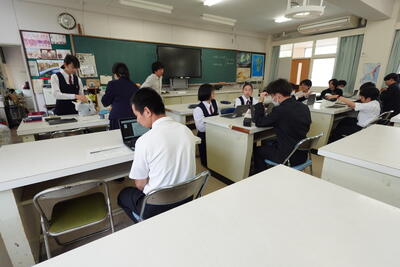
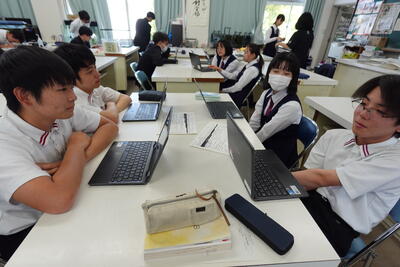
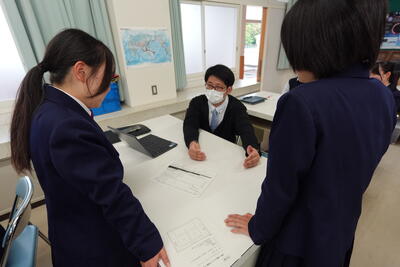
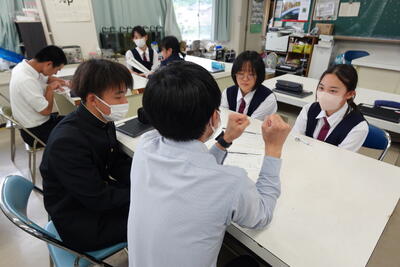
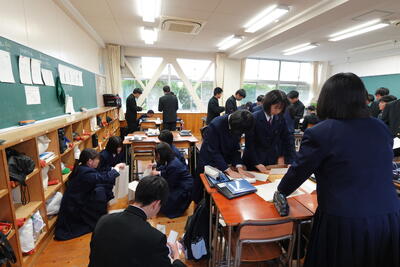
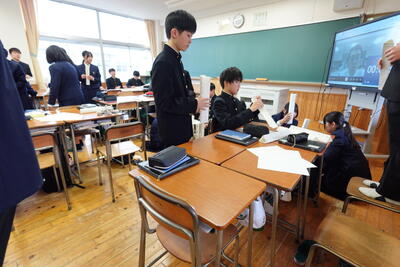
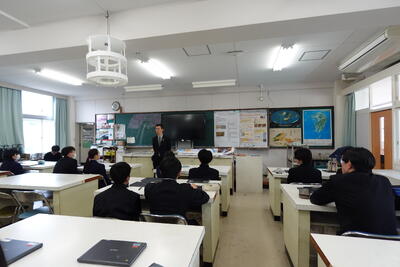
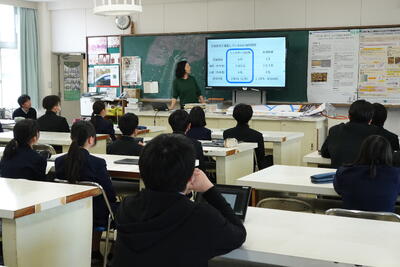
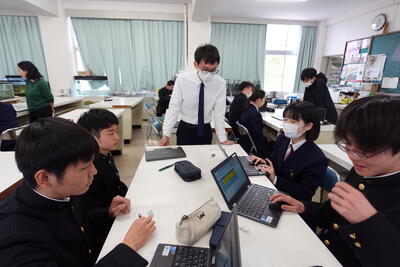
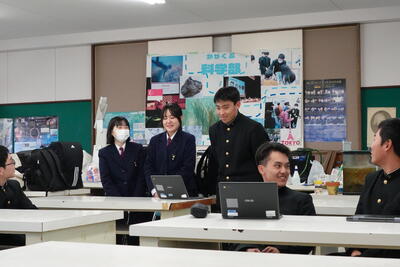
本日昼休み、クロームブックを手に会議室に1人、また1人と生徒たちが集まってきました。10月に行われる「世界津波の日」高校生サミットin熊本に参加予定の2年生です。今日は提出予定のスライドを英語科の先生方とALTの先生方に見ていただこうと、急いでお弁当を食べて集合したとのこと。さすが、自らサミットへの参加を希望しただけあり、みんなやる気に満ちています!
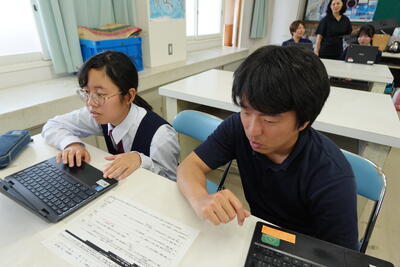
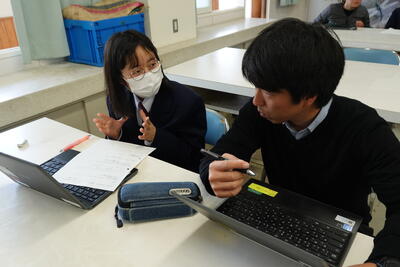
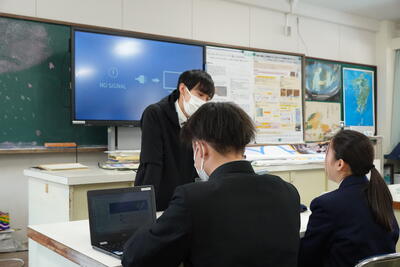
生徒たちは、それぞれ自分たちが班で作ったスライドを見せながら、先生方のアドバイスを受けます。「これはどういう意味?」「ここにイラストがあると伝わりやすそう!」「グラフのタイトルをもっと分かりやすくするのはどう?」言葉足らずな部分や、反対に説明が複雑すぎる箇所など、指摘を受けて1つ1つ修正を加える生徒たち。班で意見を出し合い、協力しながら、スライドを改善していきます。各班、ずいぶんチームワークも良くなってきましたね。
聞く人のことを考えてスライドを工夫することが、きっとより良い発表につながります。大変なこともあるけれどいつも前向きに頑張る、笑顔の素敵な生徒の姿に、ALTの先生方からも"Great work!" "Amazing!"と、お褒めの言葉をいただいていました。
During lunchtime, students gathered in the conference room with their chromebooks in hand. They are the students participating in the “World Tsunami Awareness Day” High School Summit in October. They came here to have their English teachers and ALTs look over the slides they were going to submit. As you can see in the photos, they were all so motivated!
The students showed their slides and received advice from the teachers. "What does this mean?" “Why not have an illustration here?" "Could you make the titles of the graphs easier to understand? The students made corrections one by one. They shared shared their opinions in groups and worked together to improve the slides. Great teamwork, everybody!
Thinking about the audience and devising slides will surely lead to better presentations. Keep it up and you can have a wonderful time on the big day!
【ASⅡ】「防災マップ」製作中!
9月になり少し涼しくなったと思いきや、また真夏に戻ったかのような暑さの天草です。
さて、今日の放課後、「世界津波の日」高校生サミットに参加予定の「防災マップ」班の2名は、クロームブックを持って学校の正門に集合していました。この班は、全ての人々がより安全な避難を行うために、二次被害で起こる火災に着目した防災マップを作っています。前回の調査では学校の北と東の方角を探索した生徒たち。今日は、本校の津波避難経路ともなっている、南のコースを歩いてみるそうです。
事前にチェックした経路を確認しながら、要所要所で記録を残しつつ、ゴールの緑山公園までの坂を上っていきます。二人がチェックしているのは、火災発生や延焼の要因となるもの(都市ガスや燃えやすいものなど)、消火に役立てられるもの(防火水槽など)です。暑い中、少しずつ歩みを進める生徒たち。防災マップの製作には、このような地道な調査が必要なのですね。できあがり、楽しみにしています!
【ATⅠ】「発熱した!」 / A Fever!
終礼も終わり、職員室でほっと一息ついた私(SSH研究部員)のもとにかかってきた一本の内線電話。受話器を取ると、開口一番、聞こえてきた言葉は「先生、発熱しました!」 発熱? インフルエンザ? 意味が分かるまでに3秒かかりましたが、結論から言うと、発熱したのは生徒ではなく、なんと「貝殻」でした。
この貝殻(ちなみにシジミです)、もちろん、「世界津波の日」高校生サミットに参加予定の2年生「貝殻班」のもの。話を聞くと、先日の実験(失敗)を受け、今日もあきらめずに地学室で実験をしたものの、今日も発熱せず。がっかりしつつも、片付けをしていたところ、貝殻を入れた容器がほんのり温かいような... そう! 「貝殻+水」が反応して発熱するまでには、時間が必要だったのです!!
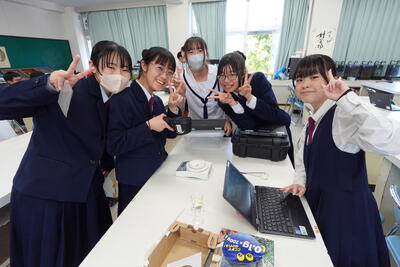
「発熱」に大盛り上がりの地学室では、貝殻班の3人が赤外線サーモグラフィカメラを使って発熱の様子と温度を記録しています。温度は31℃から32℃、33℃、1秒に1度くらいの速度でどんどん上昇しています。ついに40℃を越えました! さて、何℃までいけるのでしょうか?
「失敗は成功の母」ー誰もが知っていることわざですが、今日の実験に成功して大喜びする生徒たちを見て、こちらまで嬉しくなった出来事でした。
After the closing assembly, when I (a teacher) was having a cup of tea in the teachers’ room, there was a sudden phone call, saying “We have a fever!” - Who’s got a fever? Flu? It took me a while to figure out what it meant, but as it turned out, it was not a student who had a fever, but a “shell.
The shells belonged to the “shell group” which will participate in the “World Tsunami Day” high school students' summit in Oct. The students told me that, after their failed experiment the other day, they had another try today, but again no heat had been generated. Disappointed, they were cleaning up when they noticed that the container in which they had placed the shells seemed to be slightly warm... Yes! It took some time for the “shells + water” to react and generate heat!
In the Earth Science Lab, three members of the group were excitedly recording the heat generation and temperature using an infrared thermography camera. The temperature was rising rapidly from 31°, 32°, and 33°C, at a rate of about one degree per second. Finally, the temperature exceeded 40°C! Now, how high can it go?
”Failure is the mother of success” - everyone knows this proverb, but seeing the students overjoyed by the success of today's experiment was an event that made us happy as well.
【ATⅠ】テーマが決まる班も出てきました
2学期2回目のATⅠが行われました。
授業冒頭からATⅡと混ざり、研究活動を行いました。
早速テーマが決まりつつある班も出てきています。天草の特産品を使ったアイスクリームを開発する班や廃棄される貝殻を使って肥料を作ろうとする班、観光客の増加を目的に観光マップを提案する班など多様です。
ATⅡの先輩に実験のアドバイスをもらいに行く姿も見られ、互いに良い刺激となっているようです。今後の進展に期待です。
【ATⅡ】 討論会に向けて... / Getting ready for the "AT Debate"
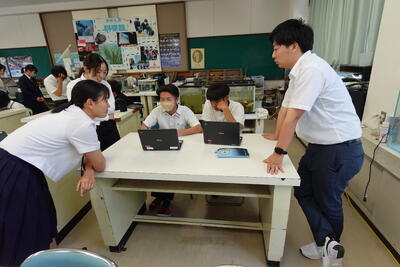
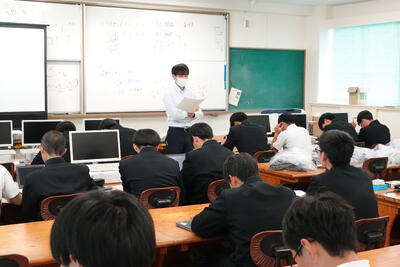
本日のATⅡは、次回行う討論会に向けて、これまでの研究をまとめるなどの準備を行いました。討論会とは、提案書の作成に先だって行う、意見交換の場です。それぞれの班が他班の生徒に自分の班の研究内容と、研究成果をどのように地域に提案するかについて発表します。発表を聞く班は発表に対して分かりづらいところを指摘したり、質問をしたり、提案の内容について助言したりすることができます。生徒たちがこの討論会を経験することで、より良い提案書作成ができるのではないかと期待しています。
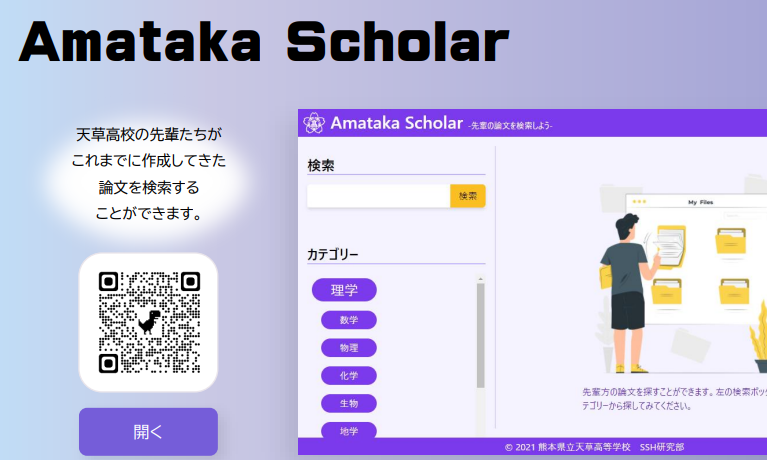
さて、本日の活動では、3年生には来週の討論会の流れとそれまでにすべきこと、研究テーマ決めのための話し合いをしている2年生には、テーマ設定の際のポイントの確認やAmataka Scholorの活用の仕方のアドバイスがあった後、それぞれ活動に入っていました。
1学期末に「異学年交流」が始まって、今日で3回目のAT。少しずつ一緒の教室での活動が当たり前になりつつも、教室によってはどことなくよそよそしい雰囲気も感じられる2,3年生です...。でも、研究はやっぱり一人ではできません。自分だけでなく、班のメンバー、他の班の人たち、他学年の生徒との話し合いや教え合いを経て、きっと研究の質も向上していくはずです! ATでは今後、2、3年生のシャイなみなさんのために、授業中の「ワクワク交流タイム(仮)」も設けようと思っています。これを機にぜひ、仲良くなってください!
In today’s AT, the third-year students prepared for the ”debate” to be held at the next AT. It will be an opportunity to exchange opinions prior to the preparation of proposals. Each group makes a presentation to the other students about their research and how they will propose the results of their research to the community. Groups listening to the presentations can point out areas that are difficult to understand, ask questions, and offer advice. We expect that the experience of this debate will lead to better proposals.
This is the third AT since the “Cross-Grade Exchange” program started at the end of the first semester. While it is becoming natural for the students from the different grades to stay in the same classroom, we teachers know that it takes a little more longer for some students to get used to this new environment. However, the quality of research will surely improve through discussions and mutual learning among students in other grades! In the future, we are planning to have time for “socializing” during AT class. We hope you will get to know each other and make your research even better!
【科学部】One Teamプロジェクト事業 ドローン実技講習会
本日、科学部9名の生徒が有明町の「岳(がく)ドローンスクール」で行われた、合同実技講習会に参加しました。
これは熊本県立高校One Teamプロジェクト事業として行われている活動の1つで、ドローンに対する理解とその操縦技術を高めることで、課題研究及び授業・実習等における探究的な学びの充実を図ることを目的に実施されているものです。今回の講習会には、本校のほかに倉岳校、拓心高校、天草工業高校が参加し、天草の高校生が交流を深める場ともなりました。
講習会では、インストラクターの先生からの説明とデモンストレーションの後、早速、教室でドローンを飛ばす「実技講習」に入りました。ドローン初体験の生徒ばかりで、最初は思う方向に動かせなかったり、壁にぶつかって何度もプロペラが外れてしまったりもしましたが、だんだんとコントロールも上達し、見事、設置してある30センチほどの輪をくぐることができたときは、歓声があがっていました。
天草高校にもドローンがあり、ASなどの課題研究や科学部の研究で活用してきました。講習会で操縦技術を習得したことで、今後の研究の幅も広がるかもしれませんね。
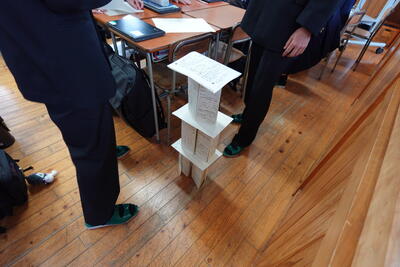
【科学部】「お菓子の家」の運命やいかに!?
文化祭で披露する「科学劇」に向けて科学部が7月末に作った「お菓子の家」。食物被服部と見紛うばかりの出来映え(自画自賛!?)の、この家がその後どうなったか、みなさん知っていますか?
実は、この家、長い、ながーい間、地学室の冷凍庫に眠っていたのです。というのも、この美味しそうな家はそもそも「お菓子の家の日光や雨風への耐久性を検証するために」作ったものだったのです。が、その後、なかなか実験に適した天候&タイミングが訪れず(科学部数名は夏休みの宿題にも追われ...笑)、冷蔵庫の中でスタンバイしていたこの家がやっと!! 今日デビューの日を迎えたというのです。良かった良かった...!
本日、多くの部員は校外でドローンの講習会(※この後の別記事でご報告します)に参加したのですが、出発前に体育館の渡り廊下にこのお菓子の家をセッティングしていました。およそ3時間後の帰校時に、どうなっているかを確認しにきたのですが... 渡り廊下に足を踏み入れるやいなや、3人の「うわーっ!」という悲鳴に近い声が聞こえてきたのです...!
お菓子の家に何が起こっていたのか? 何でこんなことに!?
気になる人は、是非、再来週の文化祭で「科学劇」をご覧ください!
【ATⅠ】 貝殻班の実験 / Perfect Day for Experiments
土曜日、地学室に何か気配がする...! と覗いてみると、そこにいたのは、ATⅠ「貝殻」班の2名でした。
この「貝殻」班の2年生は、10月下旬に行われる「世界津波の日」高校生サミットに参加予定の3班のうちの1つで、貝殻を使って熱を発生させる研究をしています。夏休みは思うように研究が進んでいない様子で少し心配していたのですが、ちゃーんと、地道に頑張っていたのですね。さすがです!
今日、彼女たちが何をするかというと、天草の特産品でカラフルな色が目を引く「緋扇貝(ヒオウギ貝)」を粉砕したものを、地学室にある電気炉で焼くのだそうです。それも、1,000度という高温で! 初めて「電気炉」なるものを見ましたが、意外とコンパクト&ちょっとレトロな色使いのかわいい仕様。これがそんなに熱くなるんでしょうか?想像もつきません。
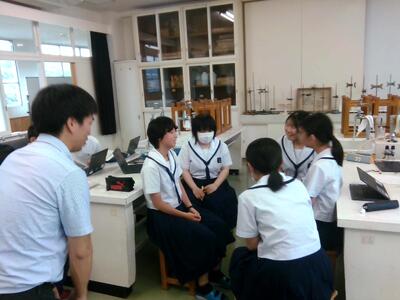
さて、緋扇貝を焼いている間に、実験に入ります。実は、焼いた貝に水を加えてどれくらい発熱するかを実験するのは、今回が初めて。(ちなみに、今日使う貝は「シジミ」だそうです)実験道具の選定に始まり、水と貝殻の割合はどうするのか、水を加える方法はどうするのか... 科学部の宮﨑先生ともディスカッションをしながら、最適な実験方法を考えていく生徒たち。そして、いよいよ水を加えます! すると...???
この実験結果はこれからスライドにまとめ、10月のサミットで発表予定となっています(もちろん英語!)。まだまだやることが沢山ですが、持ち前のガッツと笑顔で頑張ってくれることでしょう。貝殻班、ファイトです!
Today we’ll introduce you to the “Seashell” group! They are one of the groups which are going to join the High School Students Summit on “World Tsunami Awareness Day” 2024 in Kumamoto. Today, they are baking the crushed shells as preparation for their experiments. With the tiny electric furnace in the Earth Science room, can we heat it to 1,000 degrees Celsius?
While baking, they get to the experiment. Actually, this is their very first time to experiment how much heat is generated by adding water to baked shellfish. Starting with the selection of tools for the experiment, what proportion of water and shells to use, how to add water.... The students discussed with their teacher and came up with the best way to conduct the experiment. Now they are finally adding some water - what would be happening?
The results of this experiment will be presented in English at the summit in October. There is still a lot of work to be done, but we are sure that the students can make it!
【ASⅡ・ATⅠ】「津波の日」高校生サミット に向けて / Getting Ready for Summit on "World Tsunami Awareness Day"
10月23日から24日にかけて熊本城ホールで行われる「世界津波の日」2024高校生サミットin熊本。本校からも2年生有志13名の参加が決まっています。これは、世界各国の多くの高校生が参加し、自然災害の脅威や対策を学び、議論するとともに、交流を通じてお互いのきずなを深めるサミットで、11月5日の「世界津波の日」に合わせて、毎年この時期に行われています。今回の参加予定者は、海外の高校生250名と日本の高校生250名。使用言語はもちろん、英語です。
本校からの参加生徒は、3班に分かれて防災、減災、復興に関連する研究を行っており、それぞれの研究についてプレゼンテーション発表をすることになっています。サミット当日は発表に加え、世界の高校生の発表を聴いてディスカッションを行う活動もあります。
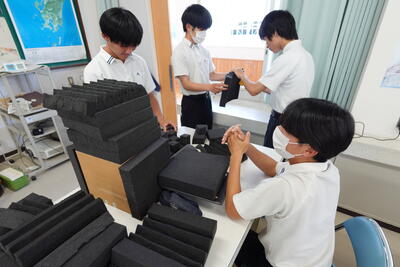
今日の放課後、地学室に集まった生徒たちは、それぞれの研究やスライドの進捗を確認し、これからすべきことを確認したりしていました。写真は、3班のうちの1つ、「貝殻」班です。この班では、貝殻を化学反応で発熱させ、冬の災害時に暖を取る方法を考えています。今日は、実験に向けて、夏休みに準備した貝殻を粉砕していました。貝を見せてもらうと、アサリに牡蠣、アワビ、ヒオウギ貝など、天草らしい様々な貝がバラエティー豊かに揃っています。それぞれをミルで粉砕した後(すごい音&歯医者さんみたい?な匂いがします)、高温で焼くという作業もあるそうです。どうか実験がうまくいきますように!
授業等と並行しながらサミットへの準備をするのは大変ですが、何といっても、世界中の高校生と英語で語り合えるまたとない機会です。みんなで助け合ってしっかり準備をすることで、本番のサミットでは大きな学びが得られるはず。みんな、がんばって!
The “World Tsunami Day” 2024 High School Student Summit in Kumamoto will be held on October 23-24, and 13 second-year students from our school will be participating. High school students from around the world will participate in this summit to learn and discuss threats and countermeasures against natural hazards, as well as to deepen mutual bonds through exchange. This summit is held every year, and this year, 250 high school students from overseas and 250 from Japan are scheduled to participate. Of course, English will be the language of instruction.
The participating students from our school are working on research related to disaster prevention, disaster risk reduction, and creative reconstruction, and will give presentations on their research. On the day of the summit, in addition to the presentations, there will be activities to listen to others and have discussions on the three themes mentioned before.
After school today, the students gathered in the Earth Science Room to review the progress of their research and slides, and to confirm what they need to do for the summit. The photo shows one of the three groups, the “Shells” group. This group is working on a way to keep warm in the event of a winter disaster by generating heat from shells through a chemical reaction. Today, they were preparing for the experiment by crushing the shells they prepared during the summer vacation. Later, these shells are going to be burned at high temperatures. We wish them success in their experiments!
It is hard work to prepare for the summit while also having classes and other activities. However, this will be a very special opportunity for every participant to meet and talk with high school students from various countries using English. We hope that everyone will help each other in preparation and do their best so that they can enjoy themselves in the summit!
【ASⅡ・Ⅲ】久しぶりに集結! / After a long summer...
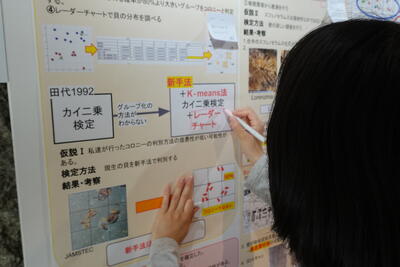
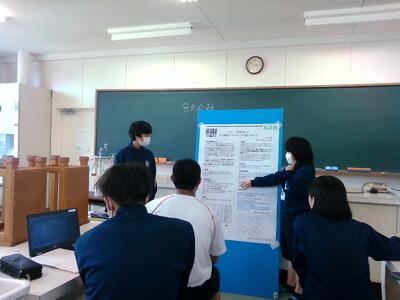
木曜日はASの日♪ 久しぶりに理科棟に大集合したASⅡ・Ⅲの生徒たちです。さて、ASクラスの3年生はこれから2年間の研究のまとめとして論文作成に入ります。(この論文は、「日本学生科学賞」にも応募予定です。入賞目指して頑張って!) 論文といっても、これまで書いたことのある小論文とは桁違い、なんと、5,000字という文量です...! これは、計画的に進めることはもちろん、書く内容にもちょっと工夫が必要そうですね。生徒たちは、論文作成手順やポイントについてSSH主任の宮﨑先生から説明を受けた後、それぞれの班で話し合いながら、早速論文の構想を練っていました。
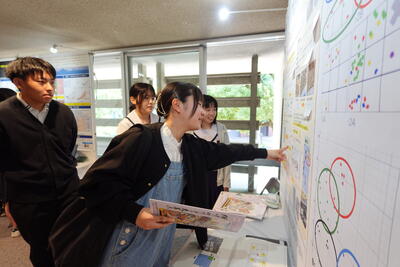
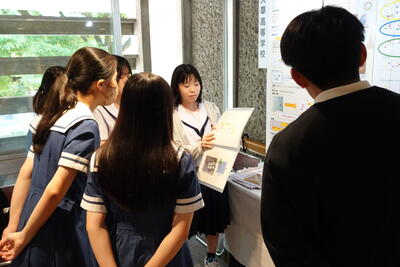
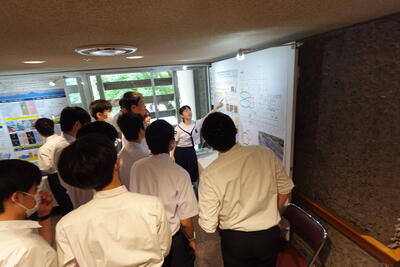
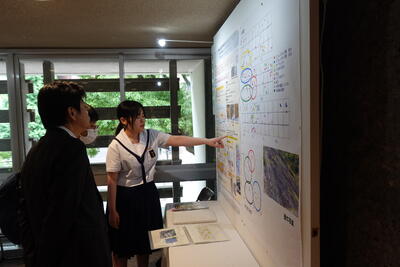
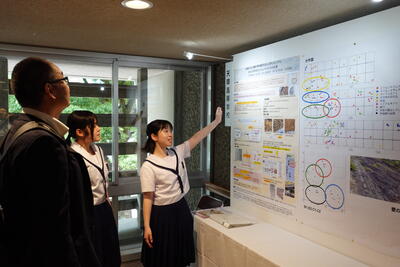
2年生はというと、担当の松原先生と2学期の活動予定を確認した後、8月に神戸国際展示場で行われた生徒研究発表会に参加した3年生のポスター発表と報告を聞きました。さすが、天高初の「ポスター発表賞」を受賞した化石班! これまでの研究の様子や成果がしっかり伝わる、堂々とした発表に2年生は聞き入っていました。
質疑応答の後(科学部が勇気をもって手を挙げてくれました!)、化石班は発表会で学んだことや後輩へのアドバイスをスライドを使って発表してくれました。例えば、質疑応答で質問の意味がはっきり分からなかった場合にはどうすべきか、研究内容を伝えるためにどのような工夫をすべきか、といった、2年生がこれからの研究や発表で必ず必要とするポイントについて、ロールプレイを交えつつ、分かりやすく伝えてくれました。2年間、一生懸命研究に打ち込んだからこその今日の助言、きっと、後輩たちがこれからの研究で活かしてくれることでしょう。
ARP最終探究成果発表会が終わり、ASクラスの主軸は2年生となりました。夏休みもサイエンスアカデミーや関西研修、SSHシンガポール海外海外研修と様々な経験を重ね、一回り大きくなった2年生ASクラスの生徒たち。これから各班で協力しながらそれぞれの研究を進めていきます。今後の活動にも是非ご期待ください!
It’s Thursday again! AS II and III students gathered in the science building for the first time in a while. Now, the third graders will begin writing their thesis as a summary of their two-year research. The thesis paper is a whopping 5,000 words, a far cry from the essays they have written in the past...! Right after receiving an explanation on the procedure and key points for writing the paper, the students began working on their papers while discussing in their groups.
What are the second-year students doing today? Today they had a chance to learn from the third-graders, who received the “Poster Presentation Award” in the Student Research Presentation held at the Kobe International Exhibition Hall in August. The third-year “Fossil group” first gave a poster presentation, then gave a slide presentation on what they had learned for younger students. For example, they taught what to do in the Q&A session, or shared some of the tips to make good posters.
The second-year students have learned a lot through the Science Academy, SSH Kansai Study Tour, and SSH Singapore Overseas Study Program during the summer vacation. From now on, each group will work together to advance their own research in ASⅡ. We hope everyone will enjoy themselves in their future research!
【ATⅡ】2学期スタート! / Long time no see!
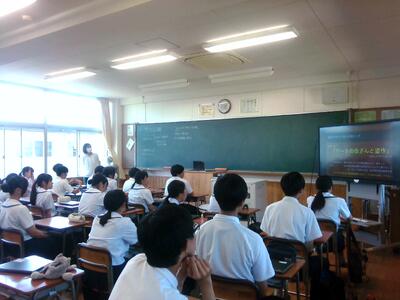
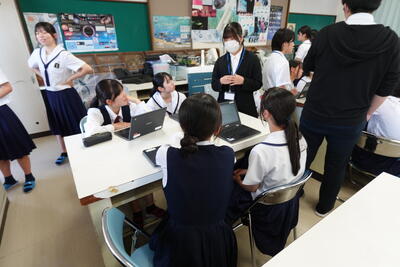
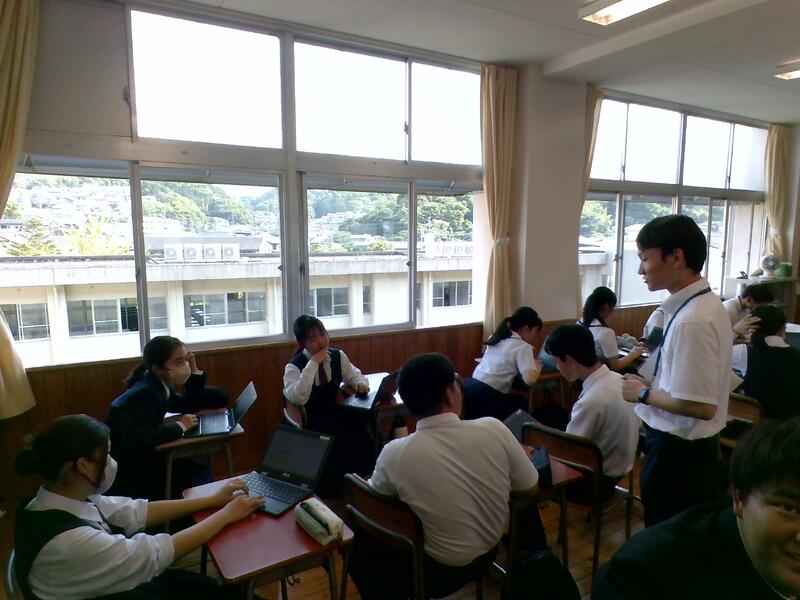
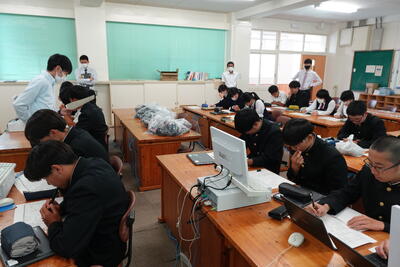
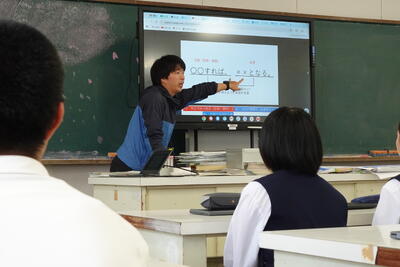
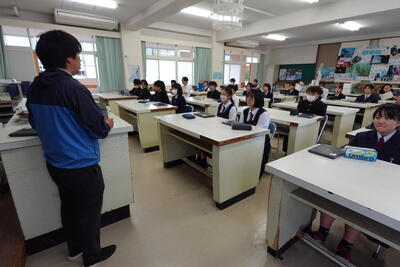
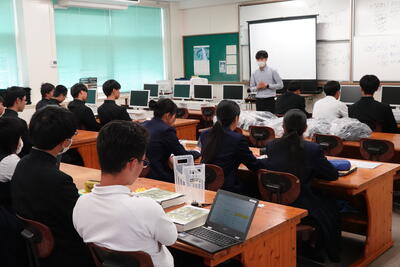
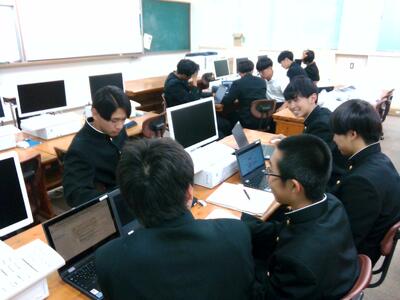
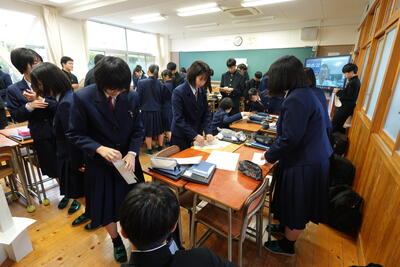
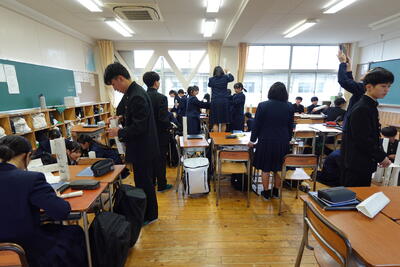
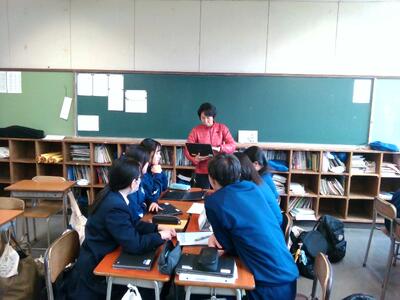
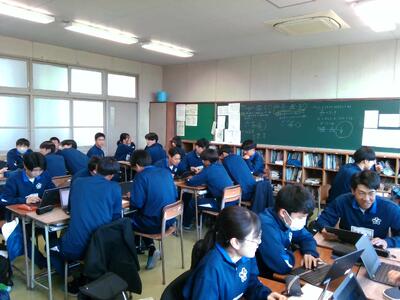
2学期の授業初日、さっそく7限目はATⅡです。まず、ATⅡ担当の中村先生からmeetで2学期の活動の説明があり、生徒たちはそれぞれの活動場所へ。2年生との同じ教室での活動にも少し慣れてきた感じもします(写真では、教室前方に3年生が、後方に2年生が座っています)。
同じ教室でありますが、基本的に普段の活動は同じ活動をするわけではありません。3年生は2学期、研究のまとめと提言書の作成に入ります。研究班を編制したばかりの2年生は、これから班での研究の方向性を決めていくことになります。このように、内容は違っても同じ教室内で活動を行うことにより、2年生が上級生の活動を見る機会となり、それぞれの班での班長や班員の動き、班でのディスカッションの様子などを自分たちの活動に活かしていってほしいと思っています(3年生、責任重大ですよ!)。
さて、3年生は本日、早速の「仮評価」を行いました。今回行ったのはE1(提案を創造する)、E2(地域を創造する)の2項目です。この仮評価、「評価」という名前こそついていますが、この段階で満点を取ることが目的ではありません。そうではなく、班でこれまでの研究活動を振り返り、自分たちが達成できていることとできていないこと、これからすべきことを確認し、班でこれからの動きを話し合うことで研究の質を高めていくことを意図しています。さすが3年生、仮評価シートが配布されると、班長がリーダーシップをとり、班員も積極的に意見を出しながら、これまでの研究を振り返っています。担当の先生とも評価項目を確認したりしながら、各班、しっかりディスカッションをして、仮評価が無事終了しました。どの班も、11月の本評価までにやるべきことが明確になった様子です!
再来週には、提言書作成の準備の1つともなる「討論会」も予定しています。限られた時間ではありますが、今週、来週で自分たちの研究を地域への提言に落とし込むためのアイデアをどんどん出していってほしいと思っています。
In today’s AT, after listening to Mr. Nakamura, the teacher in charge of ATII, 3rd-year students went into their classrooms, which they shared with 2nd graders. Although the students from different grades are in the same classroom, they do not usually engage in the same activities. 3rd graders will begin writing their proposals to their city. 2nd-year students, who have just formed their research groups, will be deciding on their research themes. By conducting activities in the same classroom, the 2nd-year students will have an opportunity to observe the activities of the upperclassmen, and we hope that they will make use of the activities of the group leaders and members in their respective groups and the discussions in their groups in their own activities (3rd-year students, you have a lot of responsibility!). ).
Now, our 3rd-year students had their first “Tentative evaluation” today. This time, we conducted two items, E1 (Creating Proposals) and E2 (Creating Community). Although this activity is called “evaluation,” the purpose is not to obtain a perfect score at this stage. Rather, they are expected to improve the quality of the research by having the groups look back on their past research activities, confirm what they have achieved and what they have not, and what they should do in the future, and discuss their future activities as a group. Once the evaluation sheets were distributed, the group leaders took the leadership and the group members actively expressed their opinions as they reflected on their research to date. Each group had a thorough discussion with their teacher to confirm the evaluation items, and the tentative evaluation was successfully completed. All groups seemed to have a clear idea of what they would need to do before the final evaluation in November. Keep up your great work, everyone!
【ATⅠ】2学期スタート
9月3日(火)に2学期のATⅠがスタートしました。
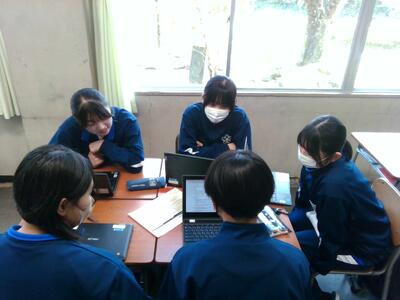
この日は担当の佐藤先生から2・3学期のスケジュールが説明された後、3年生との合同の教室へ移動し、研究班のメンバーが再集結しました。班編制が行われて2回目の授業となりますが、夏休みの課題として行った先行研究調査の成果を持ち寄り、テーマ設定を進めています。
3年生との交流により継続研究を進めるのもよいですし、担当者と協議しながらオリジナリティのあるテーマを設定するのもよいでしょう。今年度はどのような研究テーマが生まれ、どのような成果が生まれるのか楽しみです。
【科学部・ASⅡ】地域のこども会への出張科学講座
地域の子ども会から依頼があり、子供会のイベントで科学実験講座を行いました。
本年度の新しい取り組みです。
ダイラタンシーの実験と、手作り顕微鏡の作成を子供たちと一緒に行いました。
今後も依頼を受け、地域の子どもたちの為に科学の面白さを伝えたいと思います。
出張依頼をご希望の方は、本校(0969-23-5533)まで御連絡(担当:宮崎)下さい。
【ASⅡ】シンガポール研修 帰国日 / Singapore Study Tour Day 5 [The Last Day]
スンガイ・ブローの動植物に別れを告げ、私たちは帰路につきました。シンガポールの玄関口、シンガポール・チャンギ国際空港は世界中の空港利用者からの投票による「世界の空港トップ10」でアジア1位、世界2位に選ばれている空港です。入国日は通過しただけでしたが、何と言っても今日は出発便まで待ち時間が何時間もあり、これを利用しない手はありません! 二手に分かれて夕食をとった後(カレーor牛丼でした)、みんな揃って空港内の「ジュエル・チャンギ」に向かいます。ここはアート、建築、自然が1つの建造物に集約された構造になっており、熱帯植物や2,000本を超える樹木が囲む高さ40メートルの滝はかなりの存在感です。「緑の都市」として知られるシンガポールの環境保護に対する姿勢を空港内でも感じることができました。滝をライトアップして行われる光と音のショーを見た後は、滝を間近で見ることができるスカイ・トレインにも乗ってみました。これは、ターミナル間の移動に使われている、数分おきに運行されている列車です。空港使用料に含まれているといえばそれまでですが、ジュエルチャンギの散策やショー、スカイトレインの利用も全て無料になっています。他にも、この空港には巨大滑り台やアスレチック、映画館やプールまであるとのこと、是非いつの日か行ってみたいものです!
さて、福岡行きのフライトが近づいてくる頃には、みんなかなり眠そうです。それもそのはず、日本時間では午前2時20分です… 何とか飛行機に乗り込み、暗くなるとみんなあっという間に眠りについたようです。福岡空港に着くと、みんな慣れた樣子で入国審査を済ませ、天草に向かいます。飛行機が少し遅れたこともあり、台風接近もあり、色々と心配していましたが、新幹線からバスに乗り換え、予定の13時頃には無事天草高校に帰ってくることができました。
学校到着後、校長先生より、「研修の学びを今後につなげていって欲しい」とのお言葉をいただき、それぞれの帰路につきました。きっと、シンガポールでの貴重な経験や研修での学び、様々な発見など、各家庭で思い出話は尽きないのではないかと思います。天草高校としては初めての実施となった今回のSSHシンガポール海外研修。研修内容の決定や移動手段の確保、事前の学習会や物心両面でのサポートなど、国内外で多くの方にご支援をいただき、無事全日程を終えることができました。これから、研修での学びを生徒自身が今後に活かしていくことはもちろん、研修成果を授業内外で波及させ、探究活動を学校全体で更に充実させていきたいと思います。この度の天草高校SSHシンガポール海外研修に際し、ご支援いただいた皆様にこの場をお借りして心より感謝申し上げます。今後ともどうぞ宜しくお願い申し上げます。
We bid farewell to Sungai Buloh and headed home. Singapore Changi International Airport, the gateway to Singapore, is ranked first in Asia and second in the world in the “Top 10 Airports in the World.” After splitting up for dinner, we all headed to “Jewel Changi” together. The structure combines art, architecture, and nature in one structure, and the 40-meter-high indoor waterfall surrounded by tropical plants and over 2,000 trees is quite a sight.
By the time our flight to Fukuoka was approaching, everyone was getting quite sleepy. It was 2:20 a.m. Japan time... We managed to board the plane, and when it got dark, everyone fell asleep in no time. The plane was a little delayed and there was a typhoon approaching, so we were worried about many things, but we were able to return to Amakusa High School safely at around 1:00 p.m. as scheduled.
Thanks to the support of many people in Japan and abroad, we were able to successfully complete the entire program. We hope that the students themselves will make use of what they have learned during the training, and we will also spread the results of the training both inside and outside the classroom to further enhance the exploration activities of the school as a whole. We would like to express our sincere gratitude to everyone who supported us on this tour.
【ASⅡ】シンガポール研修 4日目(その3)/ Singapore Study Tour Day 4 [Vol. 3]
SSHシンガポール研修の最後を飾るのは、スンガイ・ブロー湿地保護区での実習です。シンガポール政府観光局のウェブサイトによると、この87ヘクタールに広がる観光保護区は、1989年に政府から自然公園の指定を受け、国際的にもその重要性が認められている場所です。オーストラリアに向かう多くの渡り鳥の中継地点になっており、マングローブが生い茂る公園内にはミズオオトカゲやテッポウウオなど、多くの多様な生物が生息しています。
にぎやかな鳥とセミの声に迎えられて中に入ります。保護区というだけあって、観察のための通路や小さな小屋、コースの案内板や生物の説明など、きれいに整備されています。観察中も工事の方が通路の補修をされており、休憩所の自動販売機では水と一緒にレインコートや虫除けを販売しているなど、環境保護と同時に市民の環境教育に力を入れているという印象を持ちました(ちなみに、入場料は無料です!)。
保護区に入るとすぐに私たちを迎えてくれたのは、一匹のカワウソ! 仲間を探しているのか、辺りをキョロキョロ見回しながら、通路を私たちの方に走ってきました。驚かさないよう、じっと見守ります。その後観察を続けると、木にくっついている一見貝のような「望遠鏡カタツムリ」、まだ赤ちゃんサイズの「ミズオオトカゲ」、サヨリにも似ている「ブッフォンズリバーガーフィッシュ」、絵本から抜け出してきたような可愛い「オオバコリス」など、様々な生物に出会えます。(若干水位が高く、ワニとの出会いは果たせませんでした…残念!)渡り鳥の季節には少し早いとのことですが、小さめの渡り鳥の集団が羽を休めている姿も見ることができました。
今日は雨が降ったり止んだり、たまに青空も見えるという、とてもシンガポールらしい天気の一日でしたが、それでも屋外での活動のときは必ず雨が止んでくれました。無事全ての研修を終え、スーツケースに思い出をいっぱい詰めて、これからチャンギ国際空港に向かいます。
The final part of our study tour is a field trip to the Sungai Buloh Wetlands Reserve. According to the Singapore Tourism Board website, this 87-hectare tourist reserve was designated a Nature Park by the government in 1989 and is internationally recognized for its importance. It is a stopover for many migratory birds on their way to Australia, and the mangrove-lined park is home to a wide variety of species, including the water monitor and the tanager.
We were first welcomed by the sound of lively birds and cicadas. As a protected area, the park is well maintained with pathways for observation, small huts, information boards on the trails, and explanations of the creatures. While we were observing, some construction workers were repairing the pathways, and vending machines at the rest area were selling raincoats and insect repellents along with water, giving us the impression that the park is making efforts to protect the environment as well as educate citizens about the environment. Above all, the admission fee is free!
As we walked further, suddenly came a lone otter! It came running down the aisle toward us, looking around as if he were looking for a mate. We watched him closely so as not to startle him. We continued our observation and came across a variety of creatures, including a “Telescope snail” that looked like a shell attached to a tree, a baby-sized “Water monitor,” and a “Buffon's river garfish” that looked like a Japanese anchovy, or "Plantain squirrel" that was as cute as a stuffed animal! Although it was a little early in the season for migratory birds, we also saw a small group of migratory birds resting their wings. It was a pity that we couldn't meet the crocodile as the water level was slightly high, still, we had a very valuable learning opportunity there.
It rained on and off today, with occasional blue skies, but luckily, it always stopped raining during outdoor activities. Now we're heading for Changi International Airport.
【ASⅡ】シンガポール研修 4日目(その2)/ Singapore Study Tour Day 4 [Vol. 2]
NTU研修2日目の午後は佐藤先生の研究室で使われている「マダガスカルゴキブリ」を使って神経系の反応についてや解剖学に関する研修を受講しました。佐藤先生は「昆虫サイボーグ」を使った災害救助の研究をされているのですが、その「昆虫」は、マダガスカルの森に生息する7センチ前後の大きなゴキブリです。このゴキブリの神経に刺激を与え、どのような動きをするのかをみんなで観察しました。みんな解剖を間近で見るのは初めてで、日本のものとはかなり見た目が違う虫とはいえ、ゴキブリはゴキブリということもあったのか、最初はやや遠巻きに観察していた生徒もいましたが、後半はずいぶん慣れた樣子で神経を的確に刺激していました。何事も経験と慣れですね。
最後は、機械学習に関する研修です。ここでは、「昆虫サイボーグ」に使われているカメラで撮影した画像をどのように処理・活用するのかを学びます。機械学習の仕組みの学習に始まり、画像処理のプロセスや、撮影する画像に人間が含まれているかをどのように判断するかなど、実践的に学ぶことができました。昆虫でも運べるくらい小さい(→解像度が高くない)カメラでどのように人と物体を認識・判断するのかを、とても分かりやすく教えていただきました。今後、研究でこの技術を活用していく予定の「AI信号機」班には、特に大きな学びの機会となったのではないでしょうか。
この2日間の充実した研修プログラムで、生徒たちは他では学べないような実践的な内容を学び、様々な実習を経験することができました。難しい内容もありましたが、分かりやすく丁寧に教えていただくことで多くの学びを得ることができ、今後の研究や卒業後についても考える機会となりました。佐藤教授をはじめ、温かく私たちを迎えてくださった研究室のスタッフの方々や学生のみなさん、このような貴重な経験をさせていただき、本当にありがとうございました。
In the afternoon, we attended a training course on anatomy and the response of the nervous system using “Madagascar cockroaches” used in Prof. Sato's laboratory. This insect, which is essential to his research, is a large cockroach of about 7 cm that lives in the forests of Madagascar. We stimulated the nerves of this cockroach and observed together how it moves. It was the first time for all the students to see a dissection up close, and although the cockroach looks quite different from Japanese cockroaches, some students looked scared and observed it from a distance at first. In the latter half, however, they got used to it and were stimulating the nerves precisely.
The last part of the training was on machine learning. The students were able to learn how to process and utilize images taken by the camera used in “Bilological machine” through practical training, starting with learning the mechanism of machine learning, the process of image processing, and how to determine whether or not a human being is included in the image to be taken. The students were able to learn how to recognize and judge people and objects with a camera so small that even an insect could carry it, along with the actual process. This must have been a particularly great learning opportunity for the “AI Traffic Light” group, which plans to utilize this technology in its research in the future.
During this two-day, fulfilling training program, students were able to experience a variety of hands-on training that they would not have learned otherwise. Although some of the content was difficult, they were able to learn a lot from the easy-to-understand and detailed instruction, and it gave them an opportunity to think about their future research and after graduation. We would like to express our sincere appreciation to Professor Sato, the laboratory staff, and all the students.
【ASⅡ】シンガポール研修 4日目(その1)/ Singapore Study Tour Day 4 [Vol. 1]
南洋理工大学(NTU)での研修も2日目に入りました。昨日の反省を踏まえて、朝から研究室のみなさんに英語で話しかけようとする生徒が増えてきました。また、講義や実習時にも自分から手を挙げたり、英語で質問を頑張ってみたりと、英語を活用しよう!この研修で何かを得て帰ろう! という意欲が少しずつ表に見えはじめたように思います。
さて、今日の研修はモーションキャプチャー・システムに関するものから始まりました。これは人やものの動きをデジタル化する技術で、映画やゲームなどに広く使われています。生徒たちは「マーカー」と呼ばれる印がついたヘルメットと手袋をつけて自由に動き、その動きがコンピュータ上でどのよに再現されるかを確認しました。後半はVRカメラを装着して仮想世界で動いてみる体験もあり、生徒たちにとって、自ら体を動かして学ぶ充実した体験ができました。
お昼前には、学生さんに、NTUの象徴とも言われる特徴的な建物The Hive(日本語で「蜂の巣)という意味)、昨年できたばかりだというアジア最大級の木造建築「ガイヤ」、雲南庭園と呼ばれ、観光客にも人気の中国式の庭園など、南洋理工大学を代表する様々な場所を案内していただきました。建物の構造や植えられている植物などに生徒たちは興味津々です。東京ドーム43個分とも言われる広大な敷地を一部分ですが巡ることができ、学生さんたちの普段の姿も見ることができて、とても貴重な体験でした。
We are now on the second day of training at Nanyang Technological University (NTU). More and more students have been trying harder in speaking English. We can see their attitude and action have been changing day by day.
Today's training began with a session on motion capture systems. This is a technology that digitizes the movements of people and objects, and is widely used in movies and games. The students put on helmets and gloves with markers and moved freely to see how their movements were reproduced on the computer. Later on, they also had the opportunity to try on a VR camera and move around in a virtual world, providing a fulfilling experience for them to learn something new.
Before lunch, the students were guided around the various representative sites, including "The Hive," a distinctive building that is said to be the symbol of NTU; "Gaia," one of the largest wooden buildings in Asia, which was completed just last year; and a Chinese-style garden called the "Yunnan Garden," which is popular among tourists. The students were given a tour of the building's structure, plantings, and plants. They were very interested in the structure of the buildings and the plants planted here and there in the campus. It was a very valuable experience for us to be able to visit a part of the vast site, which is said to be 43 times the size of Tokyo Dome, and to see the NTU students in their daily lives.
【ASⅡ】シンガポール研修 3日目(その2)/ Singapore Study Tour Day 3 [Vol. 2]
お昼は学食でマクドナルドを食べた生徒たち。昼からは、ASの研究内容に関するプレゼンテーションを行います。なんと、プレゼンテーションの会場は、佐藤先生が予約していただいた講堂。写真で見ていただけるように、大きなスクリーンが3つもある立派な講堂です。こんなスケールの大きい場所でのプレゼン、緊張しない人などいるのでしょうか…!
さて、いよいよプレゼンです。今日のトップバッターは「AI信号機」班。AI信号機の仕組みや従来の信号機との違い、AI信号機の抱える課題とその解決法の提案などを3人で協力して一生懸命発表しました(もちろん英語です!)。2番目は「海水準」班。珪藻と花粉を使った海水面の上昇予測と、それを利用したハザードマップについて発表しました。最後は「彼岸花」班。彼岸花に含まれる毒を耕作放棄地の除草に活用する方法についての発表です。さて、発表を終えて、3班全てに言えることは…「まだまだ」。うーん、やっぱり英語での発表は難しいものですね。練習をしてはいたものの、いざ英語で発表となると緊張のあまり、言葉につまってしまいます。特に質疑応答に関しては、どうして良いか分からずに固まってしまう場面が多く見られました。また、スライドに関しても、分かりやすくするための工夫が足りないという指摘を受けました。反面、研究の題材が面白いと褒めていただいたり、今後の研究についてとても参考になる助言もいただきました。
プレゼンの後には、実際の大学の研究施設を巡って、研究紹介や実習が行われました。最初に「めっき」に関する研究紹介が行われました。研究紹介では、研究室の学生が全て作り上げた研究機器(企業が作った研究機器に全く引けを取りません!)の紹介の後、実際にメッキ加工を施したものを紹介してもらいました。加工品は、一部のみ加工されていたり、とても細かいものに加工が為されたいたりと、大学の研究力の高さを感じることが出来ました。電子顕微鏡の実習では、実際に虫の一部を電子顕微鏡で観察しました。普段何気なく見ている虫の体がとても精密な構造をしていることをはっきり確認することが出来ました。生徒たちは、ハイレベルな大学での研究に驚きつつ、興味関心を高めていました。
夜のミーティングでは、今日の反省と明日挑戦したいことについて各自が意見と決意を述べました。うまくいかなかった部分も多い今日の研修でしたが、自分の課題や準備しておくべきだったこと、また、英語でのプレゼンテーションを効果的に行うために英語力を伸ばすことはもちろん、どんなことを準備すべきだったかに気づけたことは、生徒たちの意識を変え、それが今後の行動につながってくると思います。まずは明日、研修でどれだけ積極的に英語を使えるか、また、研修内容を踏まえてどのような事前準備ができるかです。気がつけばシンガポール滞在も残りわずか。思い残すことがないように、一人ひとり、ベストを尽くしてがんばりましょう!
The first group to present today was the “AI Traffic Signal” group, who worked hard together to present the mechanism of AI Traffic Signals, the differences between AI Traffic Signals and ordinary Traffic Signals, and the challenges faced by AI Traffic Signals and their proposed solutions (in English, of course!). The second was the “Sea Level” group, which had a presentation on the prediction of sea level rise using diatoms and pollen, and making a hazard map based on the prediction. The last group, the “Cluster Amaryllis” group, presented how to utilize the poison contained in the flowers called Cluster Amaryllis, for weeding abandoned farmlands. Do you want to know how the presentations were? Well, although they had practiced, when it came time to present, they got nervous and confused. Especially in the Q&A session, some groups had difficulty in understanding the questions, and there were many occasions when they froze. It was also pointed out that the presentation slides lacked creativity in making them easy to understand. On the other hand, they were praised for their interesting subject of our research and received some very helpful advice for their future research.
At the meeting afterwards, students reflected on today's results and expressed their opinions and determination on what they would like to try harder tomorrow. Although there were many aspects of today's activities that did not go well, they realized some important things; what they should have done beforehand, or what they should do to improve their English skills to make their presentations more effective. There is only one day left of our stay in Singapore. Let's each of us do our best so that we will not have any regrets!