ブログ

新着情報

【ASⅡ】テーマの「深掘り」とは? / Delve Deeply into a Research Theme

 本日のASⅡでは、冒頭に8月実施予定のシンガポール海外研修についての説明があった後、これまで個人やグループで行ってきた研究テーマ設定に関連して、テーマの「深掘り」を行いました。ASⅡ担当の松原先生より、過去に天草高校の先輩方が行った「赤潮」に関する研究を題材にして、研究テーマを5w1hの形で深く掘り下げる方法について説明がありました。具体的にいうと、赤潮の何(what)が問題なのか、赤潮はどこで(where)起きている問題なのか、などについて、1つ1つ具体的に考えていくということです。生徒たちは、ワークシートを活用してブレインストーミングを進めていきます。既に研究テーマをほぼ固めている班、方向性は決まっているもののテーマ設定までは行きついていない班、様々なことに興味がありまだテーマを絞り切れていない班など、生徒たちの状況は様々です。時には周りの友人とアイデアを出し合ってみたり、先行研究をもう一度見直してみたりと、生徒たちは各自工夫してこの活動に取り組んでいました。

 研究に費やせる時間は限られており、これから始める研究を「高校生のうちに」大幅に進めたり、目覚ましい成果を残すことは現実的には難しいかもしれません。しかし、高校で取り組んだ研究を卒業後に更に発展させていくということを念頭において、ASⅡで研究するテーマを設定することで、今後の具体的な実験や調査の計画も立てやすくなると思います。今、テーマ設定に十分に時間をかけることが、必ず今後の研究に生きてくるはずです。みんな、がんばって!

     After an explanation about the SSH Singapore Study Tour in August, ASII students had an activity to make their research themes more specific. Mr. Matsubara explained how to delve deeply into a research theme using the “5W1H” method, raising the question of “red tides” as an example: “WHAT problems do red tides bring?”, “WHERE red tides are occurring?”, and so on. Students utilized a worksheet to brainstorm their ideas. While some of them have already decided on a research theme, there are still others who have decided on a direction, yet have no specific theme, and those who are, at a loss with so many ideas in mind. Working together, the students were sharing their ideas with their friends, or reviewing their previous research, so that they can have more ideas on what they really want to study in this class.

 The time available for research is limited, and it may be difficult for many of the students to make significant progress or achieve remarkable results while in high school. However, they can still develop the research they work on in high school further after graduation.Keeping this fact in mind, it would be easier for them to set research themes in high school, then to plan specific experiments or investigations to be done. Taking enough time to set a theme now will surely come alive in your future research. Good luck, everyone!

【SSH】職員研修を行いました

 本日、午後からの職員研修の1つとして、課題研究評価に係るSSH職員研修を行いました。

 まず、SSH研究主任より、本校のSSH事業や教科間連携、指導と評価を一体化した課題研究指導についての説明がありました。その後、ワークショップを行いました。今回の活動では、本校で設定している「13の探究場面」のうち、A1(読み解く)を題材とし、AS(天草サイエンス)およびAT(天草探究)の授業の評価で使用する「質疑による評価シート」を用います。まずは、ある架空のディスカッションの動画を見て、生徒(※天高職員が生徒役です)の発言を観察し、それぞれの生徒の現時点でのA1(読み解く)の到達度を考えました。その後、グループで意見を出し合い、協議を行いました。

 研修を通して、仮評価は「評価」としての側面だけではなく、生徒たちにとって、自分たちの到達度を把握し、今後の研究の進め方を考えるための「指針」としての側面を持つことを学びました。また、課題研究においては、教師が「指示」や「指導」ではなく、「問いかけ」をすることで生徒の気づきを促し、研究の深化をサポートしていく必要性も再確認することができました。 

 天草高校がSSH指定を受けてから8年目となりました。本校では、これからも全校体制で課題研究を充実させ、授業改善を行い、外部連携を行いながら生徒の探究的な学びをサポートしていきます。SSH関連の様々な活動に関して、授業内外での生徒たちの頑張りをご覧いただき、応援していただけると嬉しいです。


【科学部】御所浦島での化石調査合宿(2日目)

御所倉島の「スフェノセラムスの壁」調査合宿2日目です。

本日は調査を行った4.5m四方で見つかった貝化石の殻長、殻幅、破損度、方向を再確認しました。

加えて、調査範囲外の生痕化石についてその種類を確認しました。

2日間の調査でも、現在までの結論に矛盾する結果は得られませんでした。

もう少し検証が必要ですが、古生物に関する新しい発見をしているようです。

続報を御期待ください。

<番外編>

合宿では、御所浦町の「エンジョイもりえだ」様にお世話になりました。

おいしい魚の夕食も、こだわりの塩と海苔を使ったおにぎり弁当もおいしかったです。

ありがとうございました!

【科学部】御所浦島での化石調査合宿(1日目)

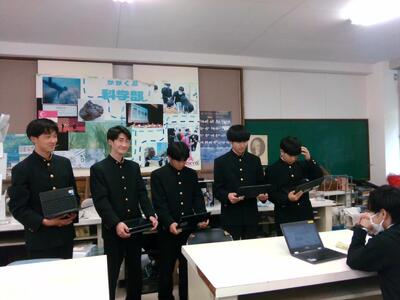
科学部化石班の5人が、御所浦島で化石調査合宿を行いました。

2日間の合宿初日の本日は、「スフェノセラムスの壁」の未調査の部分の調査を行いました。

本日の調査により、ようやく4.5m四方の範囲が終了しました。

壁全体が10m四方程度の面積があるので、まだまだ道のりは長いのですが、明日も含めて地道に調査を続けていきます。


【ASⅡ】課題研究のポイントを確認しよう! / What to Keep in Mind in Researching

 本日のASⅡは、まず今年度の評価項目とそのポイントを確認することから始まりました。生徒たちは課題研究ルーブリックを参照しながら、本年度ASⅡで実施する5つの評価とその達成のためのポイントを1つ1つチェックしていきました。

 ◆ 天草高校 課題研究ルーブリック(天草高校HP内)

 https://sh.higo.ed.jp/amakusa/wysiwyg/file/download/1/13306

 その後、生徒たちは課題研究発表の動画を2本視聴し、それぞれの発表や研究の良いところや、課題の背景などを考える活動を行いました。1つ目の発表である、植物に関する研究を例に上げると、「花の季節が終わっても模型を作って実験を行っていた」「データ数が多く、説得力のある説明になっている」「実験結果に応じて仮説を立て直している」など、様々な気づきが得られていました。全国レベルの発表を見るのはほとんどの生徒にとって初めての経験でしたが、研究のレベルの高さや発表における工夫を目の当たりにして、良い刺激になったようです。

 これから、生徒たちはクラスメイトや先生方とのディスカッションを重ね、先行研究をしっかり行って自分の研究テーマを決定していきます。それぞれ、どんな研究になるのか、今後が楽しみです!


   Today's AS II began with a review of this year's assessments and their key points. Referring to the rubric, students checked one by one the five assessments to be conducted this year and the points for achieving them.


 Amakusa High School Problem Study Rubric (Amakusa High School Website)

 https://sh.higo.ed.jp/amakusa/wysiwyg/file/download/1/13306


 After that, students watched two videos of research presentations and engaged in activities to consider the good points of each presentation and research, as well as the background of the issue, etc. Taking the first presentation, a research on plants, as an example, students made some comments.   

    Here are some of their comments on what they found effective in the research;

  • Even after the flowering season was over, they made models and conducted experiments.
  • The number of data was large and the explanation was persuasive, which made the results convincing.
  • The new hypothesis was made according to the results of the experiments. 

 The students were able to gain a variety of insights from the presentations. For most of the students, it was their first experience to see a presentation at the national level, and it became a good opportunity for them to see the high-level research and ingenuity in the presentation. 

 From now on, the students will continue discussions with their classmates and teachers to determine their own research themes after doing more previous research. We are looking forward to seeing what kind of research each student will conduct! 

【ASⅢ】2年生+3年生=...? / Students in different grades working together

 今日のASⅢでは、まず、8月に行われるスーパーサイエンス生徒研究発表会への参加を希望している三班への、選考に関する説明が行われました。この発表会へ参加する学校代表を決定するために、来週5月9日のこの時間に選考会が予定されています。この選考会に向けて、各班、班で協力しながら準備を進めているところです。残り少ない時間ではありますが、三つの班ともそれぞれベストを尽くしてくれることと思います。発表が楽しみです。

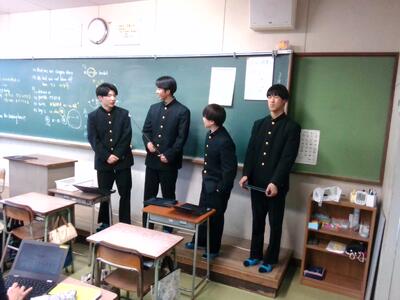
 今年度になり、ASの授業も週1回、1時間のみとなっています。外に出てデータを集めたり、じっくり実験を行うことがなかなか難しい中、どの班も限られた時間を有効に使って研究を進めています。物理室と地学室の2箇所で研究を進めていますが、下の写真で分かるように、地学室は前に2年生ASクラス、後ろに3年生ASクラスがおり、何ともにぎやかです。2年生の研究テーマが決まると、2年生が物理室にも進出(?)し、異学年間で交流しながら研究を進めていく予定になっています。継続研究の班が出てくるか? それとも、今までになかった超ユニークな研究が始まるか? 乞うご期待です!


  Today's AS III session began with an explanation for the three groups that are hoping to participate in the SSH Research Presentation in Kobe in August. A presentation is scheduled for this time next week, on May 9, to choose the school representative who will go to Kobe. All three groups are now working hard to prepare for next week. Even with a limited time left, we’re sure that everyone will give their best. We have high expectations for them!

 Although they used to have two hours’ research time a week, this year they have only one hour instead. While it is becoming more difficult for them to go outside to collect data or conduct time-taking experiments, all the groups are making effective use of the limited time to conduct their research. They have been working in two classrooms: the Physics and the Earth Science rooms. As you can see in the photos, in the Earth Science room, all the 2nd graders are working in the space in front, while some 3rd graders are working in the back. Later this term, some second graders will join them in the physics room, which will make all the 2nd and 3rd graders in AS class working in the same room.  It will make it easier for them to ask questions or make suggestions to each other, and hopefully that will make each research even more interesting. Would you like to see what would happen? Please wait for our next article!

【ASⅠ】天草学連続講義③・④(九州大学理学部付属天草臨海実験所・昭和建設工業)

本日は天草学連続講義の2回目が実施されました。

6限目は九州大学理学部付属天草臨海実験所の新垣誠司准教授より天草の海についての現状及び課題についてご説明を頂きました。

研究結果を基に、天草の海の環境の変化や多様な生態系などについて実際のデータや画像資料などを示して頂きました。生徒も天草の豊かな海洋環境や資源についての理解を深めるとともに、この豊かな海を守り活用していくための方法を探究していくためのきっかけとなったのではないかと感じました。

7限目は昭和建設工業代表取締役佐々木淳一様より天草についての現状や課題について天草で活動されている企業の立場からご説明を頂きました。

天草が地域として持続していくために人口減少という大きな課題を様々な視点から分析し、それぞれの視点からの解決法を実践に移していくことの重要性を説いていただきました。また、天草で活動されている企業の立場から企業としてできることを考え、地域と連携しながらその解決に取り組んでいきたいという希望を語っていただきました。高校生としてのの視点や考えを活かして実際に地域や企業などと連携して探究活動に取り組む生徒が多く出てくれることを期待したいと思います。

天草市の現状や課題を踏まえた上で天草市の課題解決に向けた糸口を掴むきっかけにしていってもらえたらと思います。

【ATⅡ】ようこそ、後輩! / Welcoming 2nd Graders

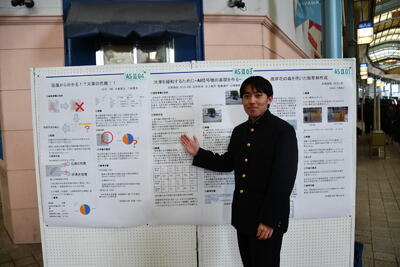
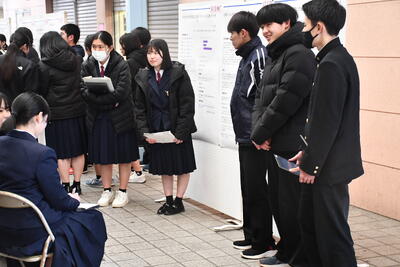
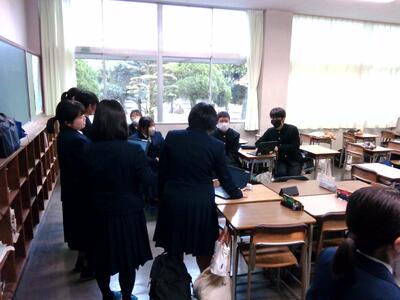
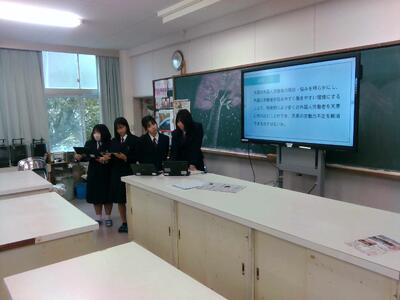
 本日のATⅡでは、2年生の後輩たちが3年生の研究について質問に訪れる「質問タイム」が設定され、3年生の教室がいつも以上ににぎわっていました。2年生は、昨年度末に作成されたポスターを見て、研究内容に関する不明点や継続研究を見据えての質問を準備してきたようです。3年生は班員と協力しながら、1つ1つの質問に丁寧に答えています。中には、21人もの後輩たちが質問に訪れた班も! 緊張した面持ちで、最初はなかなか質問できなかった2年生でしたが、3年生が逆に2年生の去年の研究について尋ねたり、研究に関する意見を求めたりすることで場の雰囲気が和んでいきました。  


 写真に写っているATⅡ4班(研究テーマ「バスの利用状況を調べて活性化に貢献しよう!」)には8名の後輩が訪れ、研究をするにあたっての課題点や、現在行われているバスの利用促進の取り組みなど、積極的に質問をしていました。

 2年生にとって今日の活動が貴重な時間であることはもちろん、3年生にとっても、他者とのディスカッションを通して自分達の研究に足りないものや、今後の研究の方向性が見えてくることでしょう。今日の30分ほどの「質問タイム」を経て、実際に様々な気づきを得た班も多くあったようです。週に1時間しかない探究活動だからこそ、1時間1時間の活動を充実させていくことが、きっと研究の深化につながるはずです。先輩、がんばって!


  In today's ATII, our classrooms were more crowded than usual because of “Question Time,'' during which 2nd graders came to ask questions about 3rd graders’ research. They prepared questions beforehand by looking at their research posters. There even was a group which had as many as 21 visitors! The 2nd graders looked a little nervous at first and could not really ask questions, but the seniors gave them a warm welcome and talked to them with smiles, which gradually made the younger students feel more relaxed. 

    Group 4, shown in the photo (research theme: “Let's investigate bus usage and contribute to revitalization!), had eight visitors, who actively asked questions about the issues involved in conducting the study and the current efforts being made to promote the use of buses.

     Not only is this “Question Time” activity very meaningful for the 2nd graders, but it also helps the 3rd graders realize what they are missing in their research. Today, some of the groups found some research clues by talking with younger students. With this limited research time, making the most of each hour of activity means a lot. Keep up the good work, everyone!

【ASⅠ】天草学連続講義①・②(天草市役所政策企画課・農業振興課・水産振興課)

本日より天草学連続講義が始まりました。

1限目は天草市役所政策企画課より天草市全体の現状及び課題についてご説明を頂きました。

天草市の現状や課題を数値やデータを基に示して頂き、人口減少や少子高齢化など天草市が抱えるをより実感をもって捉えていたようでした。

2限目は農業振興課及び水産振興課より農業や水産業についての現状や課題についてご説明を頂きました。

豊かな資源に恵まれている天草市において農業や水産業は基幹産業である一方その担い手やどのように価値を生み出していくか増やしていくかということなどに関しては多くの課題もある現状について示して頂きました。

天草市の現状や課題を踏まえた上で天草市の課題解決に向けた糸口を掴むきっかけにしていってもらえたらと思います。

【ATⅡ】より良い研究を目指して / Aiming for Better Research

 本日のATⅡは、まず、昨年度の自分達のポスターを見ながら、改善が必要な点を洗い出すところから始まりました。多くの班が抱える課題としては、実験やアンケートから得られたデータ数が不十分なことや、結果と考察の記述がきちんと区別されていないこと、そもそも検証が難しい仮説になっていることなどがあります。7月の発表までに、これらの課題を1つずつ解決していかなければなりません。各班の班長を中心に、課題の洗い出しをしながら今後の具体的な研究計画を立てていました。

 1階の教室をのぞいてみると、天草の新たな特産品、その名も「でっぷるパイ」作りを研究している班が活動していました(ちなみに、「でっぷる」は「でこぽん」+「アップル」に由来するそうです)。今日は、昨年度の試作品制作をもとに、でこぽん以外の柑橘系の果物の利用や、製品化したの原価の計算を行っていました。

 また、別の教室では民話の研究をしている班が活動していました。尋ねてみると、最近、天草の民話との比較対象として内陸部の民話を調べることにしたようです。今のところ、ターゲットは岐阜県の民話とのこと。天草とは気候も風土も大きく異なる地域の民話にはどんな特徴があるのでしょうか。結果が楽しみですね。

 このようにATⅡでは、化学や生物、物理などの自然科学系の研究だけではなく、社会科学や人文科学系の研究を行っている班も多くあります。班のメンバーで協働し、他の班とも交流をしながら、それぞれの興味がある分野で地域社会に貢献できる研究活動が進めていけるといいですね。

     Students started today’s AT II with checking their research posters so that they could identify areas in need of improvement in their research. Many groups have been struggling with having enough data as well as discussing results clearly. Some groups may even need to check if their hypothesis could be verified within the limited time left. Students are having discussions to make their last year in high school fulfilling.

 A group trying to make a specialty of their town was reviewing the prototype product they made last year. They have been trying to make some orange pies using local oranges called “Dekopon.”  Today they were calculating costs of their future products and discussing whether they should also try other citrus fruits. (Sounds delicious!)

 Another group studying local folktales seemed to have decided to look into folk tales from inland areas as a comparison target. At the moment, the stories from Gifu Prefecture are in their mind. What are the characteristics of folktales from regions with different climates and culture from Amakusa? We cannot wait for the results!

 In ATII, there are many groups conducting research not only in the natural sciences such as chemistry, biology, and physics, but also in the social sciences and humanities. We hope that the members of the groups can collaborate and interact with other groups to promote research activities that can contribute to the local community in their respective fields of interest.