 Tasting the Difference Today, Selling with Confidence Tomorrow
Global Series Vol. 6:Ashikita Senses
[JP]
芦北高校農業科の活動を世界へ届けるシリーズ。
私たちが大切にしている活動の記録を厳選し、月に一度、英語版としてお届けします。
第6回は、6月4日の「2年生・果樹総合実習(不知火のブラインド・テイスティング)」の記録です。
[Global Series Vol. 5:The Chemistry of Baking and Respect for Professionals はこちら]
[EN]
Sharing the passion of Ashikita Agricultural High School with the world. Once a month, we present an English edition of our specially selected stories. Vol. 6: Sophomore Fruit Tree Practice — Shiranui Blind Tasting (Jun 4th).
[Click here for Global Series Vol. 5:The Chemistry of Baking and Respect for Professionals]
— Sophomore Fruit Tree Practice: Unlocking the Secrets of Shiranui Through a Blind Tasting —
"It’s totally different! This one is so sour!"
"Don't you think this one has a richer flavor?"
"I think I prefer Option A!"
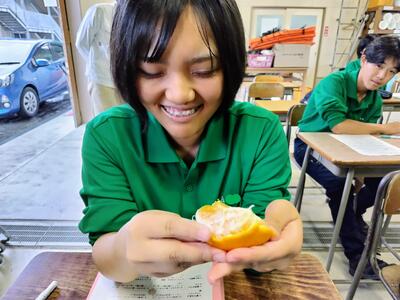
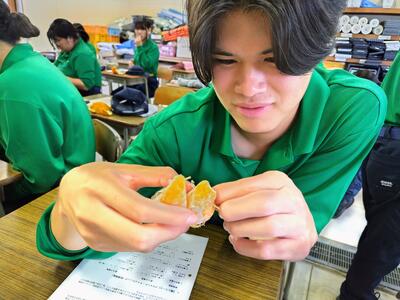
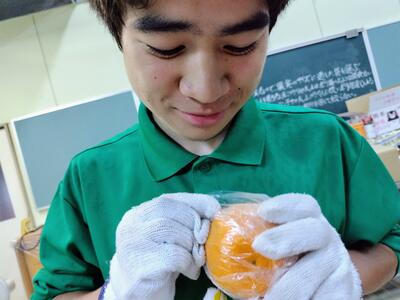
Today, the classroom for our second-year Agricultural Department students was buzzing. Arranged on the desks were two types of "Shiranui" citrus that looked absolutely identical. However, the moment the students tasted them, their expressions changed completely. The room filled with the raw, sensory exclamations of mixed confusion and excitement.
This lesson featured a "blind tasting" designed to help students understand the unique characteristics of different citrus varieties and strains. As students of Ashikita Agricultural High School, we want them to do more than just eat and say "delicious"—we want them to become experts who can discern the most subtle differences. This marked the beginning of a slightly challenging yet highly exciting practical lesson born from that very wish.
■ The Four-Stage Judgment: No Easy Way Out
The "Variety Tasting Worksheet" provided two clues: "Hinoyutaka," born in Kumamoto, known for its quick reduction in acidity and a mellow flavor; and "M16A," a classic strain that develops a deep richness and a punchy acidity through careful storage.
The worksheet listed specific evaluation items, such as the color of the pulp, the thinness of the inner skin, and the mildness of the acidity. Crucially, there was no option for "average" or "neutral." The teacher's voice echoed through the room: "Try to make your evaluations definitive. There is no single right answer, so trust your own senses."
Munch, munch... Gulp.
The students focused all their energy on their taste buds. If this were just an ordinary snack time, it would have ended with simple smiles. However, the profiles of these students—showing the burgeoning pride of future growers—were intensely serious.
■ Lost in a Maze of Senses "They Look the Same, But Taste Completely Different!"
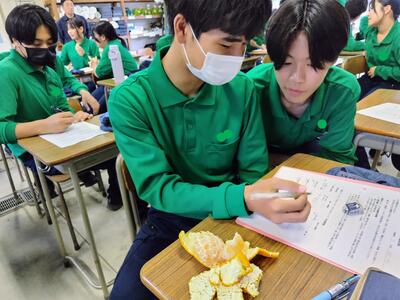
After the initial tasting, a quiet passion enveloped the classroom. The students grew quiet, staring intently at their worksheets, sinking into deep reflection as they translated their sensations into words and numbers.
Carefully recalling the flavors lingering in their mouths, they pieced the clues together one by one. "Was that aftertaste the mellowness of Hinoyutaka, or the richness of M16A?" Comparing their memories with the hints before them, they trusted their intuition to guide them to their own answers. This is precisely what makes working with living agricultural products so fascinating and profound. Seeing the students hesitate, the teacher offered some guidance:
"The correct answer doesn't matter. It’s not about guessing right. What matters is knowing that a clear 'difference' exists in things that look identical, and discovering which one you prefer. Catching that feeling is the real goal."
The feedback from the students proved that they had turned a real page of agricultural science through their own physical experiences:
"They were different, but both were so delicious that I want to eat a lot more next time."
"The flavors were completely different, but I could barely see any difference in the color or the appearance of the pulp."
"The difference was clear and easy to understand. I want to utilize this knowledge when selling them."
■ A Single Bite Nurtures the "Eyes of a Professional" for Tomorrow
Cheers of excitement and groans of frustration erupted the moment the correct answers were revealed, followed by the teacher's commentary. As time passes on the tree or in the storage facility, the acidity of the Shiranui citrus decreases, causing its flavor to evolve period by period. Because the speed of this change and the sharpness of the flavor vary by strain, citrus cultivation is incredibly deep and interesting. The students listened quietly, discovering how much intricate natural drama is packed into every single Shiranui fruit they normally handle without a second thought in the orchard.
This opportunity to learn the differences between strains through physical experience is a precious moment limited only to this fruiting season. A single tasting session will not instantly turn them into all-knowing professionals. However, the seed of inquiry planted in their hearts today—"Why do they taste so different?"—will undoubtedly transform the way they look at things during future harvest and storage management practices.
Being moved by the complexity of nature beyond just "tasty," and by the incredible human skill required to master it—this is how Ashikita Agricultural High School "creates" dependable wisdom for the future of agriculture through real learning that engages all five senses. As the lesson concluded and the room was cleared, a faint, sweet-and-sour aroma of Shiranui lingered in the air. Having taken their first step toward becoming "growers who know the difference," we are already looking forward to the next harvest these sophomores will raise.
〒869‐5431
熊本県葦北郡
芦北町乙千屋20-2
熊本県立芦北高等学校
管理責任者
校長 草野 貴光
運用担当者 広報部
TEL 0966-82-2034
FAX 0966-82-5606
E-mail
ashikita-h@pref.kumamoto.lg.jp
URL http://sh.higo.ed.jp/ashikita

学校からの緊急連絡(休校、授業打切り等)、各種連絡、資料・アンケート等について、学校・保護者間連絡システム「すぐーる」にて配信しております。
また、欠席・遅刻等についても本システムから連絡いただくことが可能になっております。
子どもの人権相談窓口
ふるさと納税「芦北町」
(芦北高校支援)
ふるさと納税「夢教育応援分」
 熊本県立芦北高等学校
 投稿者4
投稿者4