タグ:異学年
【ASⅡ・Ⅲ】「違う活動」×「同じ教室」=...?
 各部担当者
各部担当者
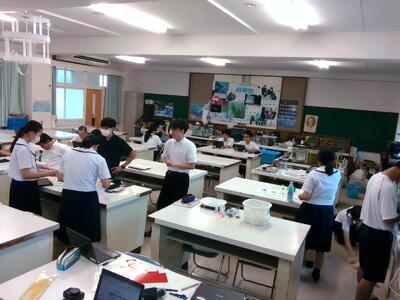
本日のASⅡ・Ⅲでは久しぶりに2、3年生が一緒の教室で活動しています。まだまだたっぷりと研究時間がある2年生の多くの班は、楽しそうに実験をしています。にぎやかなメンバーが集う「海洋プラスチック班」は、実験の素材(クッション等に使うマイクロビーズ)が届き、水槽とサーキュレーターを使ってプラスチックの動きの観察真っ最中。その頃、地学室の「ホタル班」はホタルをピンセットで小さくしています。これから水に入れて攪拌し、DNAの検出へと進んでいくようです。
その頃、3年生は日本学生科学賞へ応募する論文に取り掛かっています。5,000字以上の論文ということは、5人の班は1人あたり1,000字、でも、2人班だと2,500字...! これは、計画的に頑張らないとかなりきつそうですね。今の段階では締切まで余裕があるからか、まだ笑顔でクロームに向かう3年生たち。この余裕がいつまで続くか... 協力してがんばって!
それぞれの学年で違う活動をしていても、同じ教室内に研究分野が似ている班が集合するのが天草高校の研究スタイル。いつでも気軽に話し合えるこの環境が、ときに研究を大きく進めてくれます。困ったことは相談し、発見を共有しながら、みんなで研究を深めていきましょう!
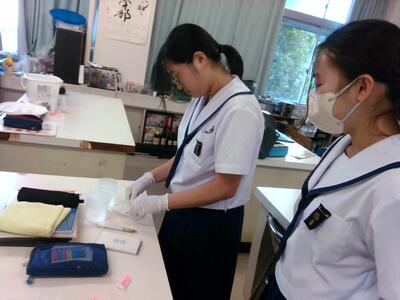
研究でゲンジボタルの保護を目指す「ホタル」班。シンガポールでも発表しました。
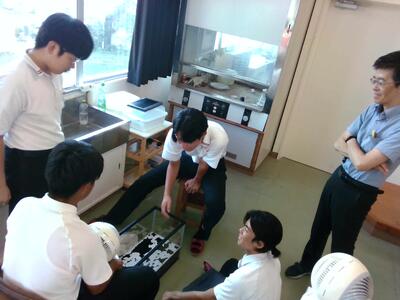
発想力豊かな「海洋プラスチック」班。いつも楽しそうです!
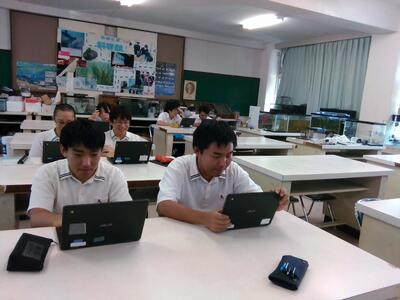
まだ余裕(?)の様子で論文に取り組む3年生たち。ファイト!
【ASⅡ・Ⅲ】活動場所が変わりました!/ ASⅡ&Ⅲ started to work together
各部担当者
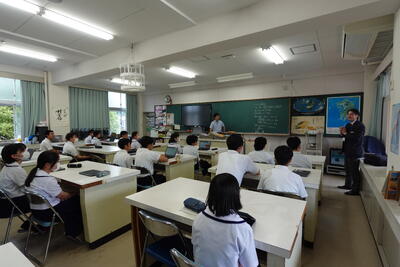
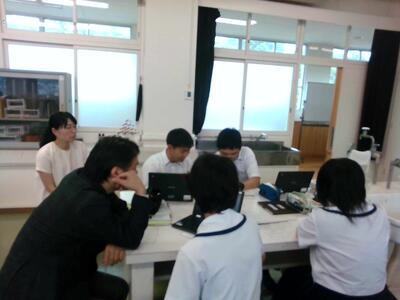
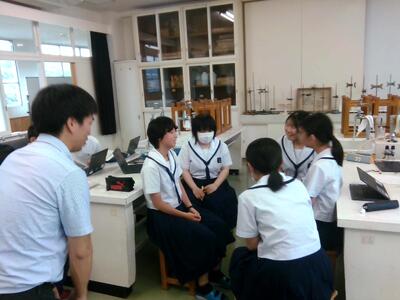
2年ASクラス各班の研究内容確定に伴い、今日の7時間目から2,3年生の活動場所が変わりました。今までは2年AS:地学室、3年AS:パソコン室だったのが、研究内容に合わせて3箇所の教室に2・3年混合で分かれています。このことにより、2年生は1年後の見通しを持って活動を進めることができ、困った時にいつでも先輩に助言をもらうことができます。また、3年生にとっても、新しい発想を2年生から得る機会となり、自分たちが研究を通して学んだことを継承していくうえできっといい環境になるはずです!
本日は3年生の仮評価の後、研究活動と並行して2・3年生がお互いに自己紹介をしたり、研究活動について先輩からの助言をもらったりしていました。崇城大学の田丸先生にもお越しいただき、実験方法や結果の分析について相談に行く班も多かったようです。早いものでもうすぐ6月。7月のARP探究成果最終発表会では海外からのお客様も含め、学校内外の多くの方に向けて研究発表をすることになっています。各班、ディスカッションを重ねて、研究をより良いものにしていきましょう!
From today, the 2nd and 3rd year AS students started to work together in three different classrooms according to what they’ve been researching. This change will hopefully allow 2nd-year students to proceed with their activities with an outlook for the year ahead, and to seek advice from their seniors whenever they have problems. It can also help the 3rd-year students to gain new ideas and pass on what they have learned through their research.
【ASⅢ】研究成果の波及のために / How can we contribute to the city?
各部担当者
本日のASⅢでは、先週の論文提出を受けて各班論文のリライトに取り組みました。この2週間で「継続研究する後輩へのアドバイス」と「天草市に対して(自分たちの研究が貢献できること」の2項目を考え、論文に足していきます。AS(天草サイエンス)が大事にしている、地域や異学年とのつながりが、論文にも反映されていっています。
「音」班が「うーん」と頭を抱えていたのは、「天草市への貢献」の部分。この班はこれまで、防音壁の形状を主に研究してきました。天草に特有のものを研究対象としていないため、自分たちの研究と天草がどうつながるか、悩んでいるようです。「難しく考えずに、身のまわりで『うるさいな』って思う場面を思い浮かべてみたら?」というアドバイスに、ぽつぽつ意見が出始めました。「いつも使っている防音室が、意外と防音できていない」「模試のリスニングのとき、部活の声が気になる」「吹奏楽の練習時間と定時制の授業時間が重なっていて工夫している」などなど、どんどん身近な「音」問題が出てきます。さて、これをどう「市への貢献」につなげるか? ここからが腕の見せ所です!
早いもので、ASⅢの授業も残すところあと5回となりました。各班、最後までしっかり班で協力し合い、集中して活動を行っています。これまでの活動で学んだことを後輩につなぎ、研究成果を地域に波及できるよう、1回1回の授業を大切に、がんばっていきましょう。
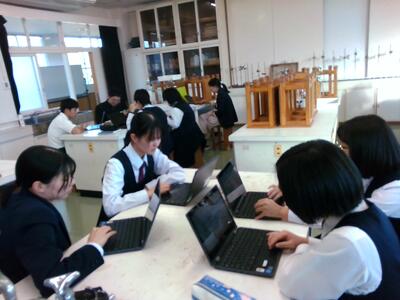
In today's AS III, each group worked on rewriting their papers they submitted last week. They need to add some advice to the 2nd graders, and also write about how their research could contribute to Amakusa city.
The “Sound” group was having a discussion with a puzzled look. They have mainly studied the shape of soundproof walls, and were wondering how their research could be connected to Amakusa city. Then they got a piece of advice from a teacher, saying “why don’t you just simply think of some situation where you wish to have soundproof walls?” Students started to state their opinions little by little. “The soundproof room I always use is surprisingly not soundproof,” ‘I am bothered by the voices of club activities outside during mock exams,’ ‘Our brass band practice after school might bother students of night school,’ Now that they have some good ideas - they should be able to think how they can contribute to the city too!
With only five AS III classes left, each group is working hard until the last minute. We are sure they can pass on what they have learned through their research activities to the younger students, and spread the results of their research to the local community. Good luck!
【ATⅡ】わくわく交流タイム!/ "Exciting Exchange" time!
各部担当者
これからしばらくの期間、3年生は「提言書」、2年生は「研究計画書」の作成に取り組むことになります。授業中の様子を観察してみると、2・3年生はどちらもドキュメントを作成しているのですが、3年生には活発にディスカッションしながら活動をしている班が多い一方、2年生には静かに活動している班が多い印象です。さて、異学年交流が進むことで、この状態に変化が出てくるのでしょうか?
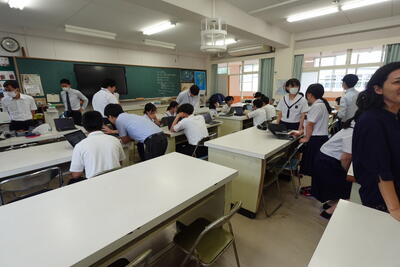
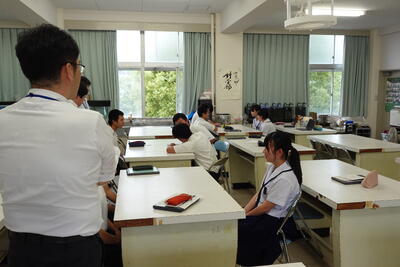
さて、授業の終わりごろ、満を持して(?)始まった「わくわく交流タイム」。ある班では、最初に軽く自己紹介と研究内容について説明をした後、2年生の研究について話を聞いています。「研究テーマ決まった?」「今、計画書どこまで進んでる?」「どうやって調査するの?」さすが、聞き上手な3年生、うまく2年生の言葉を引き出しながら交流会をリードします。「私たちは市役所の人にもらったデータを研究で使ったよ。これは発表で使ったスライドなんだけど…」と、ARP研究成果最終発表会で使った資料を見せながら上手に説明をしているようです。
少し時間があるので、隣の班も覗いてみましょう。こちらでは、商品開発に取り組んできた3年生が熱く語っています。「…やっぱりね、どうやって数値で見せられるかが本当に大事。何回かデータを取って比較したり、自分の研究以外でも同じような研究があれば、そこから使えるデータがないか探してみたり。数値がないと、説得力に欠けるって絶対突っ込まれるから、まずは使えるデータをしっかり集められるように…」なるほど! ポスター作成時などに担当者から「数値データは?」と繰り返し「突っ込まれた」実体験が、ここで活かせましたね!
そんなこんなで無事(?)終了した、第1回の「ワクワク交流タイム」。最初は恥ずかしそうにしていた生徒たちも、交流の後半には自然と笑顔になり、中には時間が足りなくなった班もあったようです。かわいい後輩のために、3年生のみなさん、来週もよろしくお願いします!
↓ 班の前方にいる2名が3年生、班でまとまって話を聞いているのが2年生です。実りある交流会になりました!

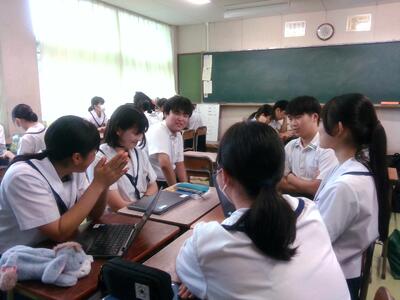
In ATⅡand Ⅲ, 3rd-year students will be working on their “Proposals” and 2-year students on their “Research Plans. In the last ten minutes of the class today, we had the “Exciting Exchange” time. During this 10 minutes' of time, two students of the 3rd grade are visiting a 2nd graders' group, and they will listen to the 2nd graders and answer their questions on their research.
Well, let's have a close look at one of the groups. After introducing themselves and explaining what they have done, the 3rd-year students are listening to the second-year students talk about their research. "Have you decided on your research theme?" "How far along are you with your research plan?" "How are you going to do your research?" - The third-year students are excellent listeners, and they lead the meeting by eliciting the second-year students' words. The 3rd-year students continue, "We used the data we got from the city hall for our research. This is the slide that we used in our presentation...” - They are explaining while showing the materials they used in the final presentation of the ARP research results, which is so easy to understand!
Now, let's take a peek at another group. Here, the 3rd-year students, who have been working on product development, are speaking passionately: “...I think it's really important to be able to show the results in numerical form. You should take data several times and compare them. Also, you may find some data you can use in similar research. If you don't have enough data to support your hypothesis, you will be criticized for not being persuasive enough, so I recommend you try to gather ALL the data you can...” - Wow! He is surely making use of his experience this time, and it would be a great help for the 2nd graders!
So, this is what happened during our first “Exciting Exchange” in AT class. The students, who were shy at first, naturally started smiling in the latter half of the period, and some of the groups even ran out of time. Thank you so much, 3rd-graders, and please help the younger students next week again!