タグ:熊本大学
【ASⅠ】熊本大学研修
 各部担当者
各部担当者
本日は、1年生全員を対象としてSSH熊本大学研修を行いました。7時30分に学校を出発し、バス6台で熊本大学の8つの学部と合津マリンステーションを訪れ、それぞれで研修や実習を体験しました。
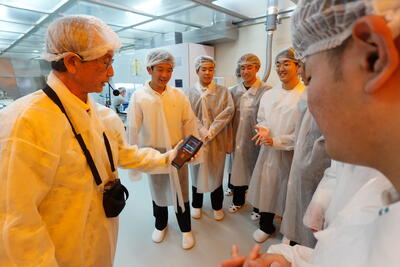
大江にある薬学部では、16名の生徒が研修を行いました。午前中は薬学部甲斐先生より、「透析患者をゼロにする」薬の開発に関する講義を受けました。研究内容や研究に必要なスキルについての話のほか、先生のモットー「運を運びたければ足を運べ 河の流れのままに」という言葉のように、生徒たちが自ら行動を起こし、会ったことのない人に会うことで、成長の機会としてほしいこと。河の流れに逆らって溺れてしまうのではなく、自然体でいること。つまり、ゴールに向かう道は様々であっても、最終的な目標をしっかり持って意欲的に挑戦することが大事だと、講義を通して高校生に向けての力強いエールをいただきました。午後からは天草高校のご出身である和田先生より「植物の二次代謝産物」について講義を受けた後、様々な植物由来の飲料の抗酸化活性の測定を体験しました。今まで使ったことのない実験器具ばかりでしたが、薬学部の岸本先生や学生の皆さんに丁寧に扱い方を教えていただき、生徒たちはとても充実した時間を過ごせたようです。実習後は薬草園をご案内いただいて多種多様な植物の特徴を伺ったことも、また有意義な時間となりました。
本日の研修では、生徒が自分の興味・関心に沿って選択した9箇所で大学の最先端の研究に触れ、専門家である先生方の講義を受けたり、質問の機会をいただいたりと、各学部で実に貴重な学びの機会を得ることができました。また、研究施設を見せていただいたり、学生のみなさんと交流することにより、大学で研究を行うことについてのイメージも膨らませることができたのではないでしょうか。帰りのバスでは、今日の研修で印象に残ったことや、将来の目標について熱く語る天高生の姿が多くみられました。この貴重な経験をASでの研究活動の深化につなげることはもちろん、今後の将来の進路選択にも、きっと活かしていってくれることと思います。
最後になりましたが、今年度も熊本大学の先生方やスタッフの皆様をはじめ、多くの方々のサポートをいただいて本研修を実施できたことに感謝いたします。本当にありがとうございました。今後とも、どうぞ宜しくお願い致します。
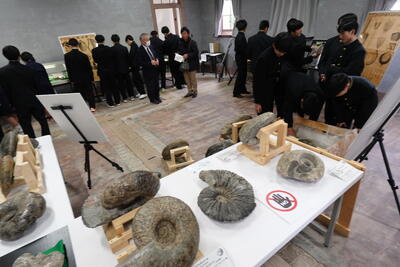
文学部(埋蔵文化財調査センター)
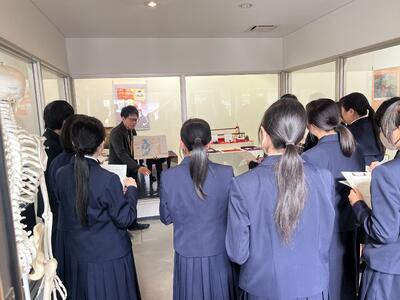
共創学環(ヘルスコミュニケーション)

黒髪地区(ひご未来図書館)

教育学部("ゲーム理論"を活用したグループワーク)
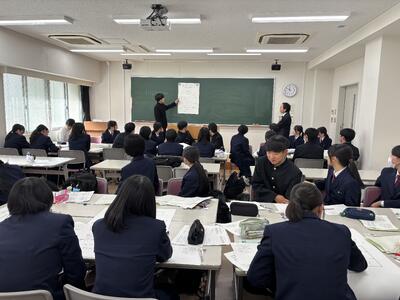
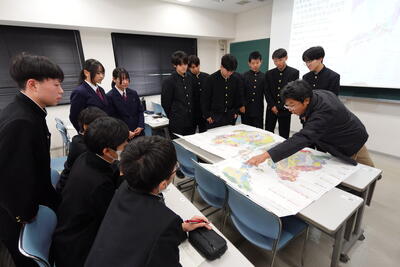
理学部(熊本の地質構造と、姫の浦層群の化石)
薬学部(抗酸化活性の実験)

黒髪地区施設研修(午後)

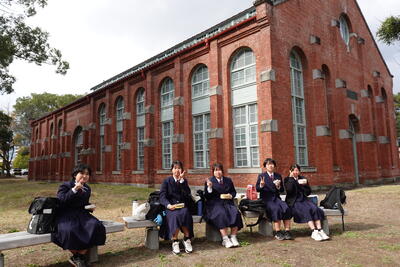
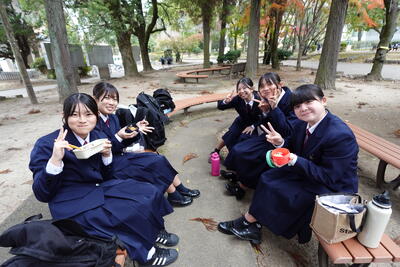
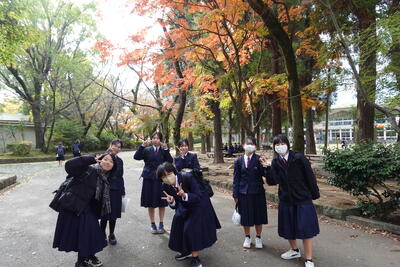
黒髪地区散策(お昼休み)
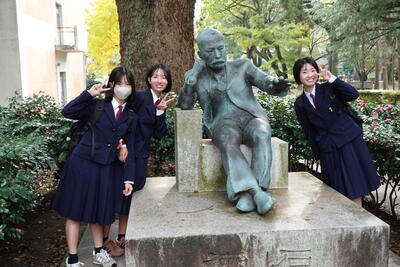
【ASⅠ】何ができるかな? / What can we do for our town?
各部担当者
7時間目は天草市役所の原田様より、「あまくさ未来創造スクール」で学び、天草をより良くしようと頑張る「ローカルイノベーター」のみなさんの紹介がありました。天草にいながら福岡に出店している方、天草に移住し、御所浦を日本一楽しい場所にしたい!と奮闘している方、天草の女性が集まる場を設け、女性のパワーで地域を活性化しようとしている方。聞いているだけでワクワクしますね!来週は10人のイノベーターのみなさんに天草高校に来ていただくことになっています。ぜひ、積極的に色々質問ができるといいですね。
後半は、熊本大学准教授の尾山先生から和歌山県田辺市の事例をご紹介いただきました。その1つは、どんぐりを2年間自宅で育て、和歌山県の山に戻すことで森林保全に関わることができる、「MODORINAE」というビジネスです。最初は小さな1歩でも、地域の現状を踏まえて知恵を出し合って活動していくことで、メディアに取り上げられ、より多くの企業に採用されるという好循環を生み出したそうです。
講義後のディスカッションを経て、質疑応答では今日も多くの手が挙がりました。この調子で来週も積極的に学んでいきましょう!

In the 7th period, Mr. Harada from Amakusa city introduced “Local Innovators,” who are working hard to make Amakusa a better place. Next week, we will have 10 innovators as guests. We are sure it will be a great opportunity to meet the “cool adults” they have learned about in the lectures.
In the latter half of the 7th period, Prof. Oyama, Associate Professor of Kumamoto University, introduced case studies from Tanabe City, Wakayama Prefecture. One of them is a business called “MODORINAE,” in which people take part in forest conservation by growing acorns at home and returning them in two years. Growing an acorn at home sounds like a very small step, but people doing MODORINAE never stop trying to find better ways. They gradually made things happen - now many companies are interested in their project and more and more people started to join them.
This story from Tanabe made our students more interested in creating something new, and more and more students are now thinking about what they can do for our town. Let's continue to learn actively next week at this rate!
【ASⅠ】考えてみよう! / Why don’t you try… ?
各部担当者
今日のASⅠは天草市・熊本大学との連携講義の2回目です。6時間目は前回の振り返りから始まり、熊本大学副学長の金岡先生が天高生の講義後のアンケート結果をシェアしてくださいました。前回、「将来天草に住みたい」と答えた生徒はかなり少数でしたが、アンケートで「天草に帰ってきた大人の人にインタビューしてみたい」「福岡で暮らしたいと思っているが、なるべく天草に住めるようにしたいと思った」「都会からでも地域のためにできることがあると気付いた」「これから、探究活動を頑張っていきたい」など、講義での学びがしっかりと回答に表れていました。
今回の講義では、専門的な言葉も多く登場しました。「共創」「小さな拠点」「CSR」… なかなか馴染みの薄い用語もあるかもしれませんが、今日のディスカッションやワークシートのメモを手がかりに今後調べていくことにより、みなさんの学びはどんどん深まることでしょう。
「ぜひ、みなさんも考えてみてください」ー金岡先生は、「◯◯しなさい」とは決しておっしゃいません。様々なことについて「調べてみる」「考えてみる」「話してみる」このような活動を重ねることにより、天高生の探究力はぐんぐん伸びていくことでしょう!
7時間目に続きます。
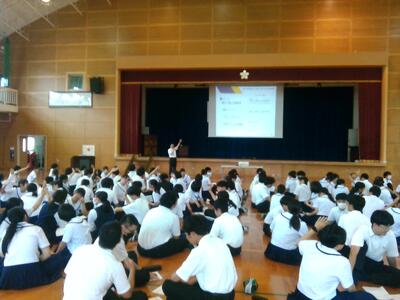
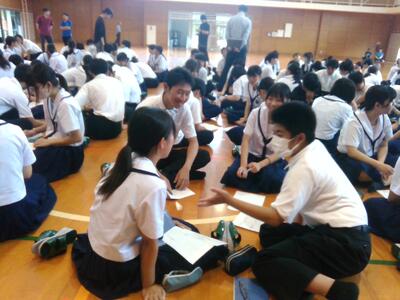
Today's AS I started with a review of the last lecture and Prof. Kanaoka shared the results of the questionnaire with the Amakusa High School students. Last time, quite a few students said they wanted to leave their hometown in the future, but after the lecture, some of them started to think differently. Here are some of their answers:
“I would like to interview adults who have returned to Amakusa.”
“I was thinking of living in Fukuoka, but I would like to try to live in Amakusa if possible.”
“I realized that there are things I can do for the community even from another city.”
“I want to do my best in my exploration activities from now on.”
As you can see, their answers clearly showed that they learned a lot in the lecture.
Mr. Kanaoka never tells us to do something. Instead, he always says “why don’t you try doing….?” Students have a freedom to choose what they can do in AS. By repeating activities such as “researching,” “thinking,” and “sharing ideas,” they will be able to fullfill their future research!
【ASⅠ】天草高校✕天草市✕熊本大学 連携講義 第1週目①
各部担当者
熊本大学と天草市役所から講師の皆様にお越しいただき、地域の魅力や課題について学ぶ3週連続の講義が始まりました。初回の本日は、熊本大学客員教授の鍋屋先生から、ご出身の田辺市で地域課題を「ピンチではなくチャンス」ととらえ、様々な課題を「ビジネス」で解決するために大人たちがどんなアクションを起こしているか、ワクワクする実例を数多くご紹介いただきました。
6時間目の後半は同じく熊本大学の尾山先生のご指導のもと、講義を通して心に残ったキーワードを使ってグループワークを行いました。「ローカルイノベーター」「スモールビジネス」「かっこいい大人」「起業」など、自分たちが書き留めた様々なキーワードを基にディスカッションを行いました。質疑応答では、「東京の企業が何を求めて地域にアプローチしているのか」という質問が出ました。「地域に赴いてリアルな地域課題に着目し、それを都会に持ち帰って新しいビジネスにつなげようとしている」という答えをいただき、なるほど!という顔でうなずいていた生徒たちでした。
次の記事に続きます。
A series of “Collaborative Lectures” started in ASⅠ, in which lecturers from Kumamoto University and Amakusa City visit us to talk about the charms and challenges of the region. In the first lecture today, Prof. Nabeya, a visiting professor at Kumamoto University, introduced many exciting examples of how adults in his hometown are taking action to solve various problems through “business” by viewing regional issues as "opportunities, not ”difficulties.”


Later in the 6th period, students had a group work session using what they learned from the lecture. Discussions were based on various keywords such as “local innovators,” “small business,” and “cool adults.” After the lecture, a student stood up asking a question, "What are Tokyo-based companies trying to find in regional towns?” The lecturer answered that more people in big cities are visiting small towns, to learn more about “real” regional issues, hoping to start new and innovative business in the future. Many students looked a little surprised to learn that people in big cities have found value in regional cities and towns like Amakusa.
【ATⅠ】「天草消滅」を食い止めよう!/ Prevent Amakusa from disappearing!
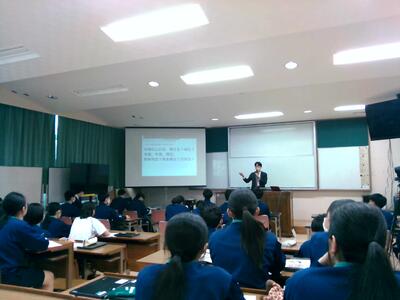
本日のATⅠでは、熊本大学 熊本創生推進機構地域連携部門部門長の金岡省吾先生より、天草の地域創生についての1時間の講義を受けました。
まず、生徒にとって身近な吉本興業や日本郵政などの企業がどのようにSDGsに関する取り組みをしているかについて紹介がありました。また、東北大学や信州大学での近年の動きや、天草での「地域創生」の様々な活動についても紹介されました。人口減少により「消滅する可能性の高い」とまで言われている天草を「持続可能」なものにするために、私達ができることは何なのでしょうか。
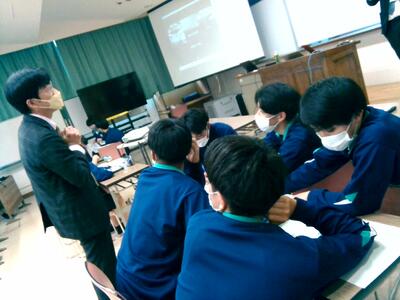
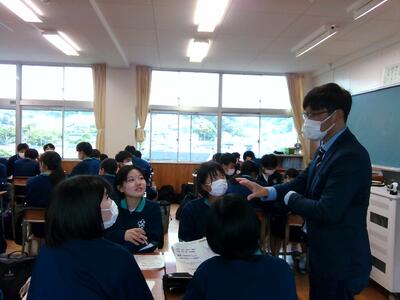
講義を受けた後、生徒たちはグループでディスカッションを行いました。この、講義の後にグループワークを行うという学習方法は、大学でもよく行われているということです。約20分間ほど、グループ毎に意見を出し合い、講義を受けて気づいたことや疑問に思ったことを整理しました。各クラスに熊本大学や天草市役所の方々がアドバイザーとして入っていただき、討議の補助や助言をしてくださいました。
今回を含めて3回、熊本大学や天草市役所の専門家の先生方の力をお借りして地域創生について学んでいきます。昨年度のASでの学びをより深め、今年度のATでの研究活動につなげていってほしいと思います。
We had a lecture on Regional Revitalization from Professor Shogo Kanaoka from Kumamoto University. First he showed us some examples of what some companies or local governments are doing with SDGs, or Sustainable Development Goals. Students were surprised to know some familiar companies around them, such as Japan Post or Yoshimoto Kogyo, one of the major entertainment groups in Japan. They also learned what universities like Tohoku University or Shinshu University have been doing recently, and some SDG-related activity in our city Amakusa.
Today, Professor Kanaoka even told us that Amakusa may disappear if we cannot stop our population decline. What on the earth can be done to make it sustainable instead?
After listening to the Professor’s talk, students discussed in groups. Prof. Kanaoka explained that this “lecture followed by discussion” style of learning has recently been used a lot at universities. Students shared their ideas and discussed for about twenty minutes in groups, with staff from Kumamoto University and Amakusa City giving students some advice during that time.
The students will be learning more about Regional Revitalization in the next two weeks in ATⅠ class. We hope these lectures will give them new ideas for their future studies in class!