タグ:ディスカッション
【ASⅡ・Ⅲ】足湯しながらディスカッション...?!
 各部担当者
各部担当者
今日のASⅡでは、大きな鍋を抱えて家庭科室にいる薬草班を発見! それに、海洋プラスチック班も裸足で家庭科室に大集合しています。さて、これから何が起こるのでしょうか?
実は、本日の家庭科室では薬草班の足湯を使った実験が行われています。一定時間足湯をして、その後の体温などの変化を観察するとのこと。この実験は、近い将来薬草を使って足湯をした場合と比較して、それぞれの薬草の効果を検証するのに使われます。どんな結果になるか、楽しみですね!
その頃、科学室で実験していたのは、おなじみ、ベビーリーフ班。先週から発酵をすすめていた海藻肥料(すごい匂いがします...!)を使って、レタスやルッコラを水耕栽培で育てるそうです。早ければ2,3日で芽を出すとのこと。残念ながら前回の実験では発芽後まもなく枯れてしまったとのことですが、9月になり暑さも(少しだけ)やわらいだ今回こそ、うまくいくはず。期待しています!
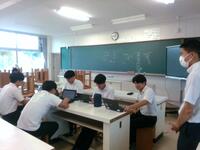
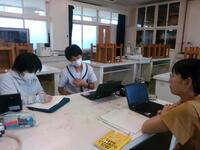
ところで、「5000字の壁」に挑むASⅢの3年生達はというと、真剣な面持ちでクロームとにらめっこ。各班、着々と論文の執筆を進めている様子です。とはいえ、気づけば第一次締切までASは2時間しかありません。協力してがんばって!
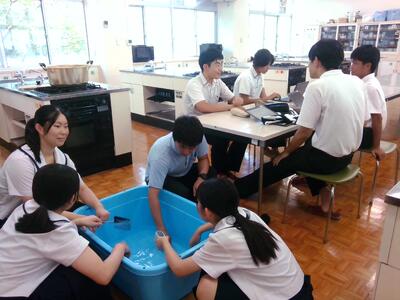
↑ 足湯班、もとい、薬草班。担任の先生も加わり、湯温のチェック中
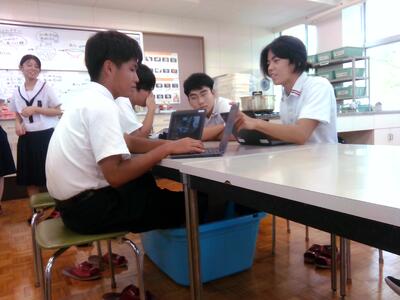
↑ 被験者になってくれた海洋プラ班。リラックスして研究も進むかも!?
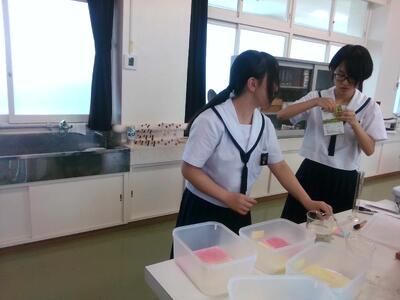
↑ リベンジに燃える(?)ベビーリーフ班。芽が出ますように!
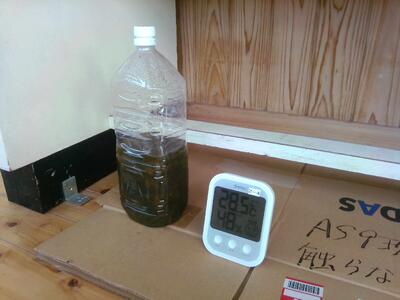
↑ これがウワサの(すごい匂いの)schoolmade海藻肥料...!
↓ 担当の先生とディスカッションしながら論文執筆中の3年生。ファイト!
【ATⅡ】提言書の1次締切日です / Deadline!
各部担当者
本日は、天草市役所に提出することになっている「提言書」の1次締切日です。自分たちが考えた提言内容を他班と発表し合ったり、班内でのディスカッションを重ねたりしてようやく出来上がった(?)提言書。授業開始時にもう「完璧です!」と、自信たっぷりに言っていた班もあるようですが、果たして、その提言書は誰が読んでも思わず納得するような、説得力のあるものに仕上がっているでしょうか。
私たちATⅡの担当者は、生徒たちに、この「提言書」で夢を語るのではなく、市の現状に即した実践的な「提言」をして欲しいと思っています。そのためには、これまでの研究を分かりやすく説明することはもちろん、信頼できる外部データが根拠として示されていなければなりません。
担当者チェックを経て各班が今日提出した提言書は、今後、ATⅡで他班を指導している先生方や2年生のATⅠを指導している先生方にも見ていただき、助言をいただくことになっています。日頃指導している担当者とは異なる視点で提言書をチェックしていただくことで、根拠の弱い箇所を見つけられたり、文章の伝わりづらい部分の改善につながったりするはずです。3年生のみなさんには、2年間の研究の総まとめとして、じっくり時間と手間をかけ、より良い提言書を創り上げていってほしいと思います。
Today is the first deadline for the “proposal” to be submitted to the Amakusa City in the future. The proposals were finally completed after many presentations and discussions among the other groups. When being asked how their proposals are, some of the students confidently said, “It's perfect! Is that so? Are the proposals really so persuasive that anyone who reads them will be convinced?
We teachers would like the students to make practical proposals that reflect the current situation of Amakusa, but some of the students seem to be talking about their dreams in this “proposal” instead. In order to make practical proposals, we believe, students should not only explain previous research in an easy-to-understand manner, but also present some reliable external data as evidence.
The proposals submitted today will be reviewed by some teachers, which would give them some useful advice. We hope that they will take the time and effort to create a better proposal as a summary of their two years of research. We are counting on you!
【ATⅡ】2回目の「ワクワク」は... / How did the “Exchange Time” go?
各部担当者
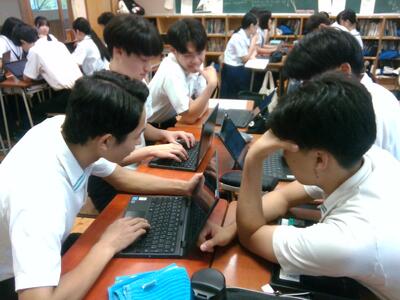
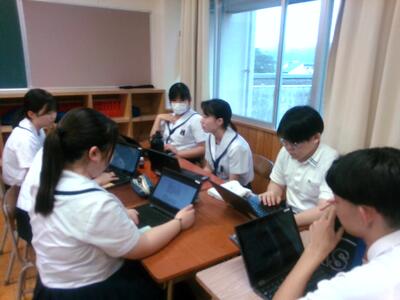
同じ教室内で、提言書(3年生)と研究計画書(2年生)にそれぞれ取り組む光景もなんだか見慣れてきた今日この頃のATです。心なしか2,3年生の心の距離も近づいているような...?(だったらいいなぁ!)
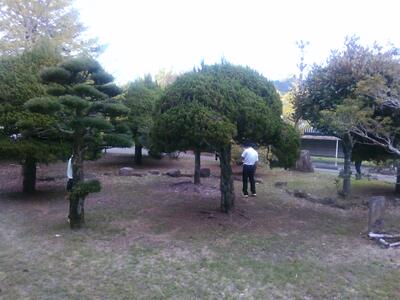
2、3年生の活動風景をカメラに収めるべく、ある教室にお邪魔したところ、ややっ! 窓の外に怪しい人影が!! ...よくよく話を聞いてみると、「外来種」の植物の研究を始めたばかりの、2年生たちでした。まずは、校内の外来種の植物を調査・記録しているとのことです。2年生の多くの班は教室内で研究計画を立てている一方、既に調査やアンケート、実験の準備などにとりかかっている班もあります。(これは11月の「中間発表会」も期待できそうですね!)
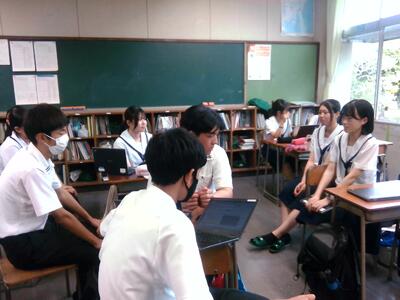
さて、今日も授業最後の10分間で「ワクワク交流タイム」を実施しました。先週とは違う班・違うメンバーが2年生の各班を訪問します。正直なところ、話がはずんでいる班もあれば、両者とも恥ずかしそうに下を向きがちな班もあるようです。これから上級学校に進んだり就職したりする3年生にとって、自分の班以外の人や学年が違う人と意見交換するのは、今後につながる大事な経験となるに違いありません。この交流の機会は、今後も不定期で設ける予定となっています。2年生の研究が進むにつれ、さらに活発な意見交換ができることでしょう。先輩方、頼りにしています!
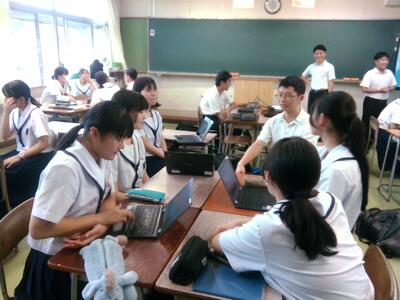
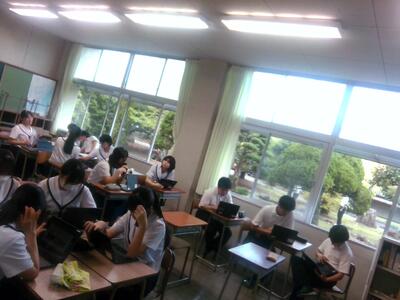
We have become accustomed to seeing third-year and second-year students working on their proposals and research plans, respectively, in the same classroom.
At one such classroom, while taking some photos of them, we see a ”suspicious figure” outside the window! ... Well, it turned out to be a group of second-year students who had just started research on “invasive species,” and they were walking outside for their research. Surprisingly, while many 2nd graders are still planning their research, some have already started to conduct surveys, questionnaires, and prepare for experiments.
Today, we had another “Exciting Exchange Time” in the last 10 minutes of the class. Different groups and different members from last week visit each of the 2nd grade groups. To be honest, some of the groups seemed to have a good time talking with each other, while others tended to look down in embarrassment. Exchanging opinions with people from a different group or a different grade will be an important experience for 3rd-year students who will be going to a college or finding a job in the near future. We plan to continue to provide this opportunity for exchange, and as the 2nd-year students' research progresses, we expect to see an even more active exchange of ideas. We are counting on you, 3rd graders!
【ATⅡ】討論会を終えて...
各部担当者
本日のATⅡは、先週の討論会でのディスカッションを受けての各班でのブレインストーミングから始まりました。3年生は今後、自分たちのこれまでの研究の成果を地域に対する提案である「提言書」にまとめていきます。提言書には、研究で分かったことだけではなく、先行研究や他機関の研究や調査から得られたデータからの数値的根拠や、地域で実施可能と思われる施策、期待される効果までしっかりと考えて書く必要があります。提言書の1次提出締切は10月27日。担当の先生ともしっかりディスカッションを重ね、これまでの研究の総まとめができるといいですね。
さて、来週・再来週のATⅡでは、「わくわく交流タイム」を実施します。これは、シャイな(人もいる)2・3年生が授業でもっと自然に話す機会が増えるように!という、ATⅡ担当者のたくらみ、もとい、優しさから計画されたものです。具体的に言うと、授業の最後の10分間でATⅠの各班に3年生が2人ずつ入り、研究計画書を作り始めたばかりの2年生のお悩み相談を受けるというものです。これまでの経験を活かして、2年生の今後の研究につながる助言をしてくれるものと期待しています。
優しく面倒見の良い3年生のみなさん、2年生をリードしてしっかり交流をしてきてください。期待していますよ!
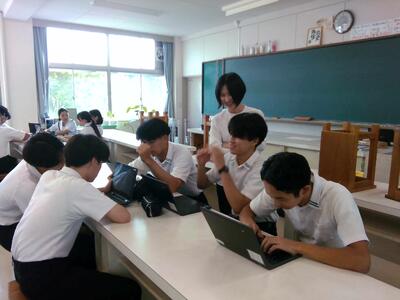
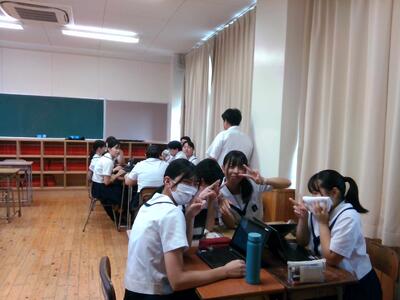
(※カメラを向けると、パソコンに向かって集中モードに入った(演技をした)り、カメラ目線でポーズをとってくれたりする3年生の生徒たち。サービス精神旺盛です!)
Today's ATII began with a brainstorming session for each group after last week's discussion meeting. The third-year students will compile the results of their research into a “proposal” for Amakusa city. The proposals must include not only what they have learned from their research, but also numerical evidence based on data obtained from previous research and studies and surveys conducted by other organizations, as well as measures that could be implemented in the region and their expected effects. The group leaders were trying their best to lead the discussion on what kind of recommendations they wanted to make. The deadline for the submission of proposals is October 27. We hope that everyone will come up with a proposal that will make the most of the research they have done so far.
Now, in ATII next week and the week after that, we will hold “Exciting Exchange Time”. This was planned to encourage some of the shy students to know each other in class. During the last 10 minutes of class, two 3rd-year students from each group will come over to consult with the 2nd graders who have just begun to write their research plans. We expect that the 3rd graders can offer useful advice that will help the 2nd-year students in improving their research.
To the kind and caring 3rd year students, please lead the 2nd year students in class. We are counting on you!
【ASⅡ】シンガポール研修 2日目(その2)/ Singapore Study Tour Day 2 [Vol. 2]
各部担当者
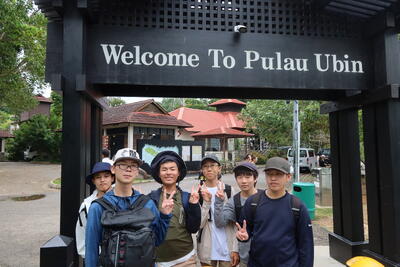
さて、午後の研修ではチャンギ空港の近くにある離島「ウビン島」へ向かいます。今日の移動では、シンガポールで初めてのバス乗車に挑戦! ここで私たちが活用したのはシンガポールで販売されている「ツーリストパス」、つまり、公共機関が乗り放題になる旅行者向けのパスです。このパスを機械にタッチし、乗車。早速、2階に向かいます。そう、シンガポールの路線バスは2階建てバスが多いのです(ざっと見たところ半分以上!?)。2階からの眺めを楽しみつつ、ウビン島行きのフェリーターミナルに向かいます。終点のチャンギ・ヴィレッジから船に乗り、わずか10分ほどでウビン島へ! さぁ、いよいよ離島上陸です!
シンガポール政府のウェブサイトによると、ウビン島は面積およそ10平方キロメートルで、過ぎ去った時代の素朴な美しさが残っている場所だということです。この島には池や湿地、海岸林、かつて稼働していた花崗岩の採掘場など様々な見どころのあるこの島には、ヤシの木やマングローブが生い茂り、トンボや蝶、魚類や鳥類、小動物など多種多様な生き物が暮らしています。
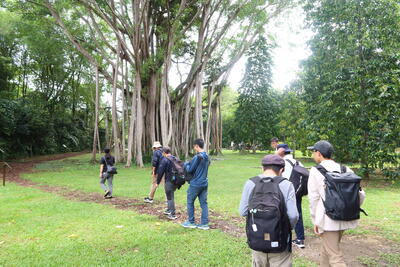
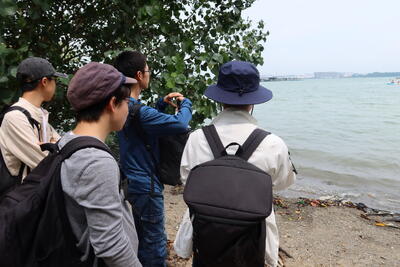
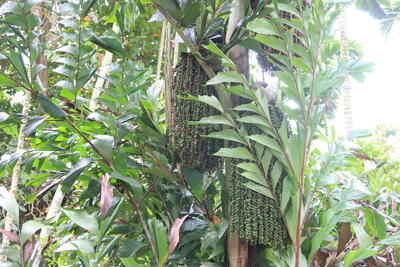
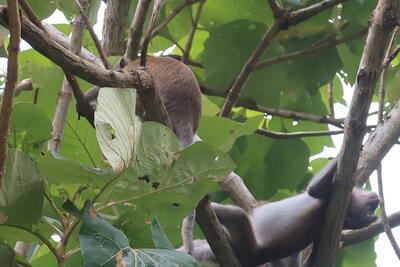
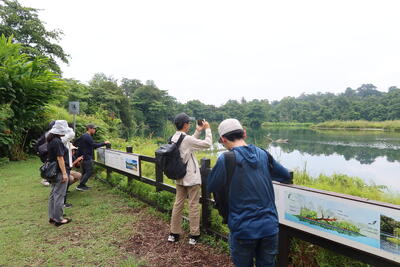
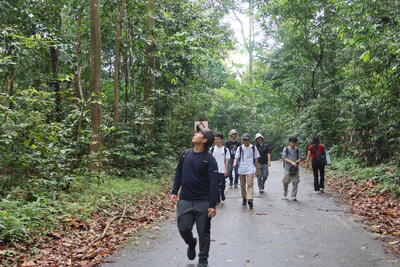
ウビン島に到着した私たちはまずシンガポール最後の村のひとつであるカンポンで昼食を取り、それから様々な動植物を観察しながら、お目当ての湿地を目指します。南国らしいカラフルな花や見たこともないような実がなっている木々などを見ながら歩くこと、約3㎞、心地よい汗をかきながら、無事目的地に到着しました。残念ながら、一番期待していたトカゲには逃げられてしまってじっくりと姿を見ることはかないませんでしたが、日本とは鳴き方の違うセミやユニークな形状の魚、聴いたことのないような鳴き声の鳥、それに猿の群れまで観察することができました。観察後は、日本で観察した白嶽湿地との土の違いや植生の違い、観察した生物などについてディスカッションを行い、ウビン島の生態系について考えを深めることができました。
2日目の日程は夕食後のプレゼン練習で終了となり、いよいよ明日、南洋理工大学での研修が始まります。英語での発表や質疑応答がしっかりできるのか、全工程英語で行われる研修で積極的に質問できるのか、期待と不安が入り混じった表情をしている6名の生徒たちです。またとないこの研修の機会を最大限活かせるよう、私たちスタッフも精一杯サポートしていきたいと思います。
In the afternoon, we are visiting Plau Ubin, a remote island near Changi Airport. For today's trip, we tried riding a bus for the first time in Singapore! We used the “Singapore Tourist Pass,” a pass for that allows unlimited rides on public transportation. All you need is touch this pass to the machine and board the bus. We immediately headed for the second floor. Yes, many buses in Singapore are double-decker buses (more than half of them, at a glance!). Enjoying the view from the second floor, we headed for the ferry terminal to Pulau Ubin. From the terminal at Changi Village, it is only a 10-minute boat ride to Pulau Ubin! Now, it is time to land on the remote island!
According to the Singapore government website, Plau Ubin is approximately 10 square kilometers in area and retains the rustic beauty of a bygone era. The island, with its ponds, wetlands, coastal forests, and once-operating granite mines, is home to palm trees, mangroves, dragonflies, butterflies, fish, birds, small animals, and a wide variety of other creatures.
Upon arrival there, we first had lunch in Kampong, one of the last villages in Singapore, and then headed for the wetlands, observing a wide variety of flora and fauna. We walked about 3 km, looking at colorful tropical flowers and trees with fruits that we had never seen before, and arrived at our destination. It was quite a good exercise! Unfortunately, the lizard we found eescaped quickly so we were unable to get a good look at it, but we observed cicadas with a different sound than in Japan, uniquely shaped fish, birds with a sound unlike anything we had ever heard, and even groups of monkeys. After the observation, we had a discussion about the differences in soil and vegetation from the Shiratake wetlands we observed in Japan, as well as the organisms we observed, and were able to deepen our understanding of the ecosystem of Ubin Island.
The second day's schedule ended with a presentation practice after dinner, and the training at Nanyang Technological University will finally begin tomorrow. Our six students are looking both hopeful and anxious, wondering whether they will be able to give their presentations and answer questions in English. We will do our best to support them so that they can make the most of this unique training opportunity.