タグ:湿地
【ASⅡ】湿地を探検!(SSHシンガポール海外研修事前研修)
 各部担当者
各部担当者
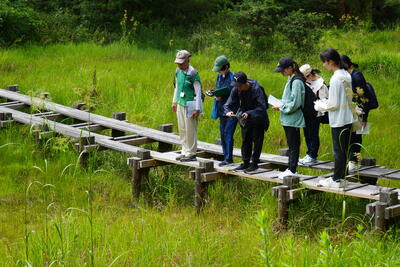
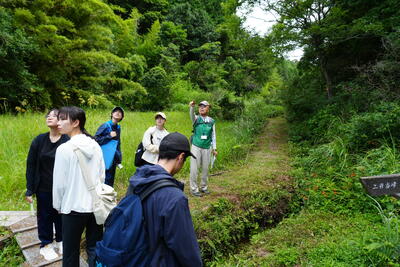
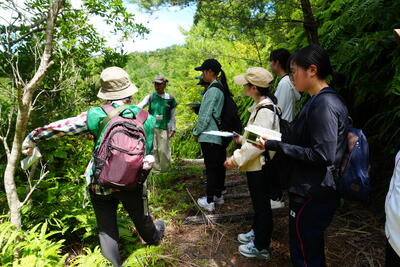
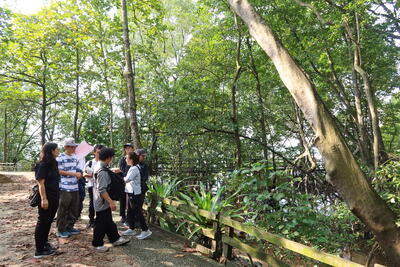
やってきました、姫戸町! 今日、2年生ASクラス6名がやってきたのは、雲仙天草自然公園内にある白嶽森林公園です。8月19日からのシンガポール海外研修の事前研修として、シンガポールで訪れるスンガイ・ブロー湿地と生態系などを比較するために、ここ天草の白嶽湿地での学習を行います。
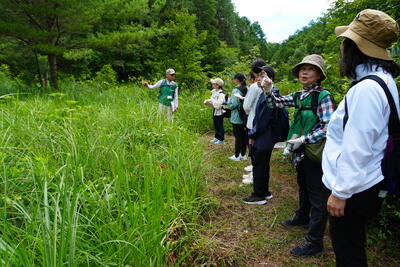
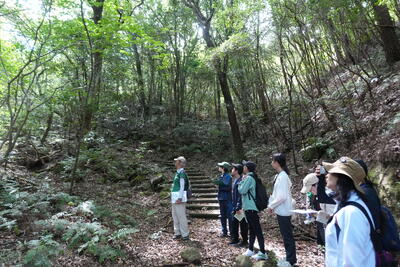
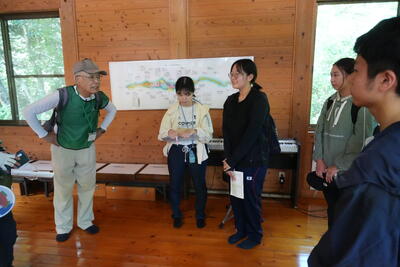
本日は森林インストラクターの益田様と松永様にご案内いただき、湿地を中心に森林公園内の動植物などについて実際に公園内を散策して学びました。ふもとではなかなか見かけないキイトトンボやモノサシトンボ、真っ赤でかわいいベニツチカメムシ(臭くないそうです!)、白嶽湿地のあちこちで見られる特徴的なヒモヅル(シダ植物)に、在来種と外来種の松の違いなど、ただ自分たちで散策するだけでは気づくことのできない豊かな森の宝物について、楽しく、分かりやすく教えていただきました。
観察をする中で、白嶽湿地においても気温変動などにより生態系が少しずつ変わってきていること、白嶽湿地は人の手が入ってできた湿地であり、維持・管理のために多くの努力がなされていることを学びました。また、森の中で古い木と新しい木がどのように共存し、世代交代を繰り返しているか、同じ木に生えている葉っぱでも形が違うことにどんな意味があるのかなど、多くの興味深いお話を伺うこともできました。
今回お世話になった森林インストラクターのお二人は、県内各地でご活躍のかたわら、森林に関わる最近の研究について調べたり、大学の先生のお話を聞きに行かれたりして知識を常にアップデートされているとのこと。豊富な知識と経験がありながら、探究心を持って常に学び続けていらっしゃる姿は、とても輝いて見えました。何よりも、お二人の「森が好き」という気持ちが伝わる、素敵な観察会となりました。
益田様、松永様、それから、今回の事前研修に際してサポートいただいた上天草市役所のみなさま、本当にありがとうございました。今回の学びをシンガポール研修だけでなく、今後の探究活動に活かしていきます。このブログをお読みのみなさま、ぜひ白嶽湿地での森林浴で、体と心のデトックスをお試しください。ちなみに、昨年に開業した天空ジップライン「白嶽」も大人気とのこと。こちらも機会があれば、ぜひ!
【ASⅡ】シンガポール研修 4日目(その3)/ Singapore Study Tour Day 4 [Vol. 3]
各部担当者
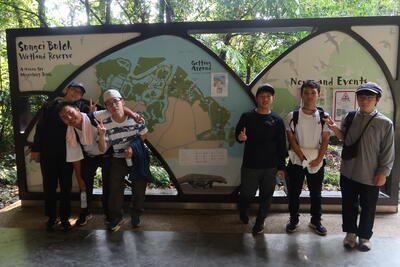
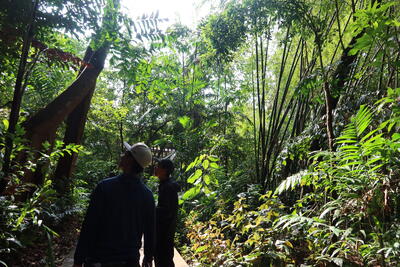
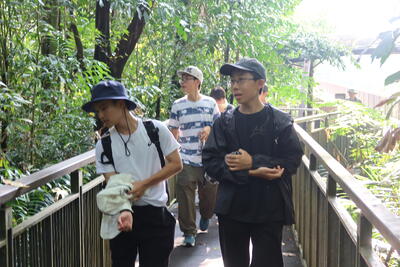
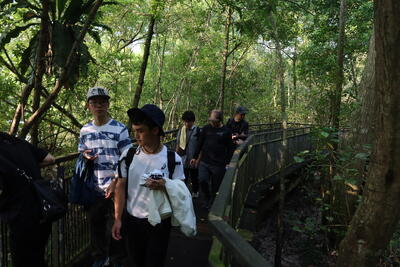
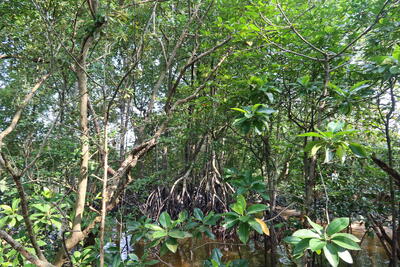
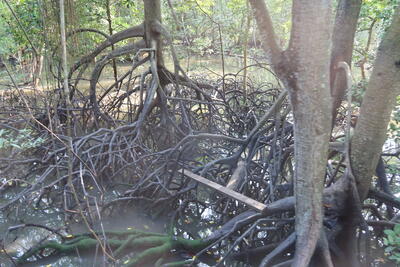
SSHシンガポール研修の最後を飾るのは、スンガイ・ブロー湿地保護区での実習です。シンガポール政府観光局のウェブサイトによると、この87ヘクタールに広がる観光保護区は、1989年に政府から自然公園の指定を受け、国際的にもその重要性が認められている場所です。オーストラリアに向かう多くの渡り鳥の中継地点になっており、マングローブが生い茂る公園内にはミズオオトカゲやテッポウウオなど、多くの多様な生物が生息しています。
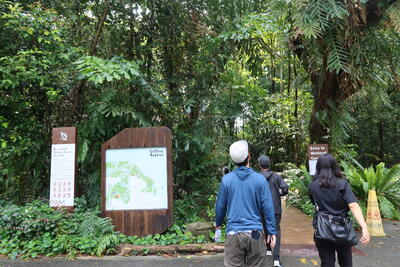
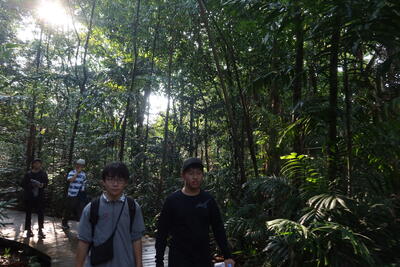
にぎやかな鳥とセミの声に迎えられて中に入ります。保護区というだけあって、観察のための通路や小さな小屋、コースの案内板や生物の説明など、きれいに整備されています。観察中も工事の方が通路の補修をされており、休憩所の自動販売機では水と一緒にレインコートや虫除けを販売しているなど、環境保護と同時に市民の環境教育に力を入れているという印象を持ちました(ちなみに、入場料は無料です!)。
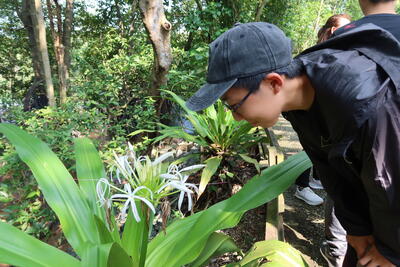
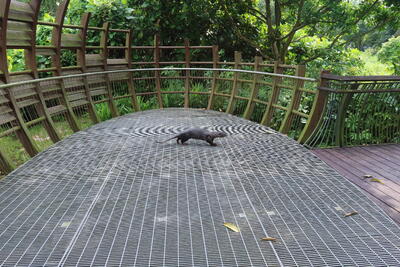
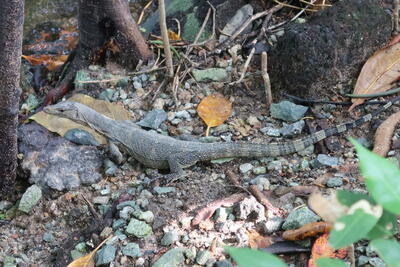
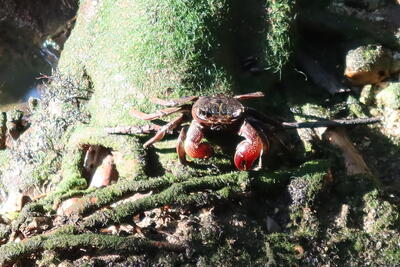
保護区に入るとすぐに私たちを迎えてくれたのは、一匹のカワウソ! 仲間を探しているのか、辺りをキョロキョロ見回しながら、通路を私たちの方に走ってきました。驚かさないよう、じっと見守ります。その後観察を続けると、木にくっついている一見貝のような「望遠鏡カタツムリ」、まだ赤ちゃんサイズの「ミズオオトカゲ」、サヨリにも似ている「ブッフォンズリバーガーフィッシュ」、絵本から抜け出してきたような可愛い「オオバコリス」など、様々な生物に出会えます。(若干水位が高く、ワニとの出会いは果たせませんでした…残念!)渡り鳥の季節には少し早いとのことですが、小さめの渡り鳥の集団が羽を休めている姿も見ることができました。
今日は雨が降ったり止んだり、たまに青空も見えるという、とてもシンガポールらしい天気の一日でしたが、それでも屋外での活動のときは必ず雨が止んでくれました。無事全ての研修を終え、スーツケースに思い出をいっぱい詰めて、これからチャンギ国際空港に向かいます。
The final part of our study tour is a field trip to the Sungai Buloh Wetlands Reserve. According to the Singapore Tourism Board website, this 87-hectare tourist reserve was designated a Nature Park by the government in 1989 and is internationally recognized for its importance. It is a stopover for many migratory birds on their way to Australia, and the mangrove-lined park is home to a wide variety of species, including the water monitor and the tanager.
We were first welcomed by the sound of lively birds and cicadas. As a protected area, the park is well maintained with pathways for observation, small huts, information boards on the trails, and explanations of the creatures. While we were observing, some construction workers were repairing the pathways, and vending machines at the rest area were selling raincoats and insect repellents along with water, giving us the impression that the park is making efforts to protect the environment as well as educate citizens about the environment. Above all, the admission fee is free!
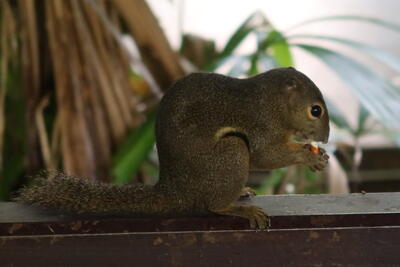
As we walked further, suddenly came a lone otter! It came running down the aisle toward us, looking around as if he were looking for a mate. We watched him closely so as not to startle him. We continued our observation and came across a variety of creatures, including a “Telescope snail” that looked like a shell attached to a tree, a baby-sized “Water monitor,” and a “Buffon's river garfish” that looked like a Japanese anchovy, or "Plantain squirrel" that was as cute as a stuffed animal! Although it was a little early in the season for migratory birds, we also saw a small group of migratory birds resting their wings. It was a pity that we couldn't meet the crocodile as the water level was slightly high, still, we had a very valuable learning opportunity there.
It rained on and off today, with occasional blue skies, but luckily, it always stopped raining during outdoor activities. Now we're heading for Changi International Airport.
【ASⅡ】シンガポール研修 2日目(その2)/ Singapore Study Tour Day 2 [Vol. 2]
各部担当者
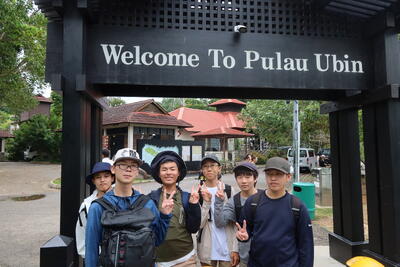
さて、午後の研修ではチャンギ空港の近くにある離島「ウビン島」へ向かいます。今日の移動では、シンガポールで初めてのバス乗車に挑戦! ここで私たちが活用したのはシンガポールで販売されている「ツーリストパス」、つまり、公共機関が乗り放題になる旅行者向けのパスです。このパスを機械にタッチし、乗車。早速、2階に向かいます。そう、シンガポールの路線バスは2階建てバスが多いのです(ざっと見たところ半分以上!?)。2階からの眺めを楽しみつつ、ウビン島行きのフェリーターミナルに向かいます。終点のチャンギ・ヴィレッジから船に乗り、わずか10分ほどでウビン島へ! さぁ、いよいよ離島上陸です!
シンガポール政府のウェブサイトによると、ウビン島は面積およそ10平方キロメートルで、過ぎ去った時代の素朴な美しさが残っている場所だということです。この島には池や湿地、海岸林、かつて稼働していた花崗岩の採掘場など様々な見どころのあるこの島には、ヤシの木やマングローブが生い茂り、トンボや蝶、魚類や鳥類、小動物など多種多様な生き物が暮らしています。
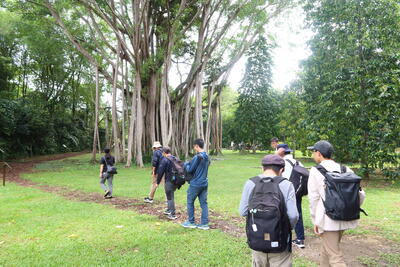
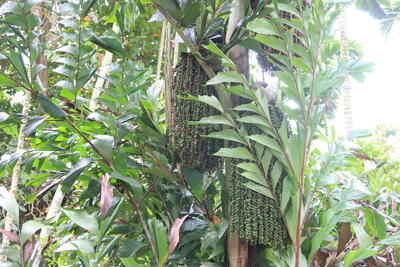
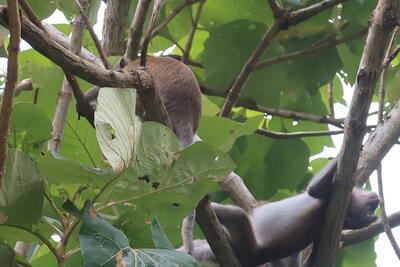
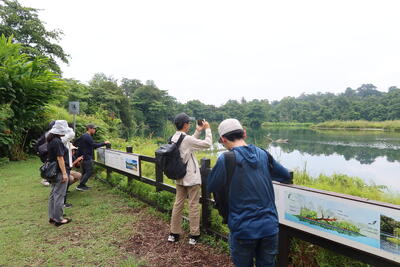
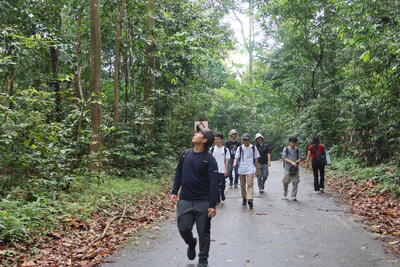
ウビン島に到着した私たちはまずシンガポール最後の村のひとつであるカンポンで昼食を取り、それから様々な動植物を観察しながら、お目当ての湿地を目指します。南国らしいカラフルな花や見たこともないような実がなっている木々などを見ながら歩くこと、約3㎞、心地よい汗をかきながら、無事目的地に到着しました。残念ながら、一番期待していたトカゲには逃げられてしまってじっくりと姿を見ることはかないませんでしたが、日本とは鳴き方の違うセミやユニークな形状の魚、聴いたことのないような鳴き声の鳥、それに猿の群れまで観察することができました。観察後は、日本で観察した白嶽湿地との土の違いや植生の違い、観察した生物などについてディスカッションを行い、ウビン島の生態系について考えを深めることができました。
2日目の日程は夕食後のプレゼン練習で終了となり、いよいよ明日、南洋理工大学での研修が始まります。英語での発表や質疑応答がしっかりできるのか、全工程英語で行われる研修で積極的に質問できるのか、期待と不安が入り混じった表情をしている6名の生徒たちです。またとないこの研修の機会を最大限活かせるよう、私たちスタッフも精一杯サポートしていきたいと思います。
In the afternoon, we are visiting Plau Ubin, a remote island near Changi Airport. For today's trip, we tried riding a bus for the first time in Singapore! We used the “Singapore Tourist Pass,” a pass for that allows unlimited rides on public transportation. All you need is touch this pass to the machine and board the bus. We immediately headed for the second floor. Yes, many buses in Singapore are double-decker buses (more than half of them, at a glance!). Enjoying the view from the second floor, we headed for the ferry terminal to Pulau Ubin. From the terminal at Changi Village, it is only a 10-minute boat ride to Pulau Ubin! Now, it is time to land on the remote island!
According to the Singapore government website, Plau Ubin is approximately 10 square kilometers in area and retains the rustic beauty of a bygone era. The island, with its ponds, wetlands, coastal forests, and once-operating granite mines, is home to palm trees, mangroves, dragonflies, butterflies, fish, birds, small animals, and a wide variety of other creatures.
Upon arrival there, we first had lunch in Kampong, one of the last villages in Singapore, and then headed for the wetlands, observing a wide variety of flora and fauna. We walked about 3 km, looking at colorful tropical flowers and trees with fruits that we had never seen before, and arrived at our destination. It was quite a good exercise! Unfortunately, the lizard we found eescaped quickly so we were unable to get a good look at it, but we observed cicadas with a different sound than in Japan, uniquely shaped fish, birds with a sound unlike anything we had ever heard, and even groups of monkeys. After the observation, we had a discussion about the differences in soil and vegetation from the Shiratake wetlands we observed in Japan, as well as the organisms we observed, and were able to deepen our understanding of the ecosystem of Ubin Island.
The second day's schedule ended with a presentation practice after dinner, and the training at Nanyang Technological University will finally begin tomorrow. Our six students are looking both hopeful and anxious, wondering whether they will be able to give their presentations and answer questions in English. We will do our best to support them so that they can make the most of this unique training opportunity.
【SSH】SSH台湾研修(3日目③:高美湿原実習)
各部担当者
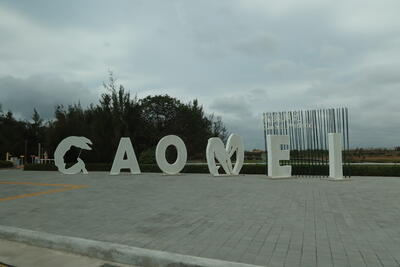
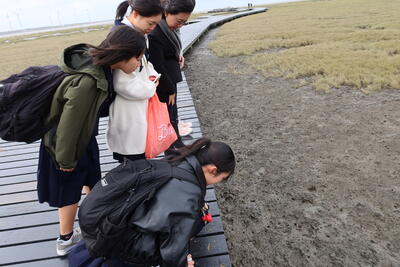
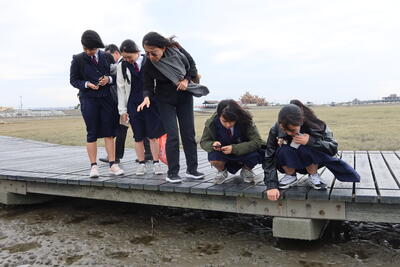
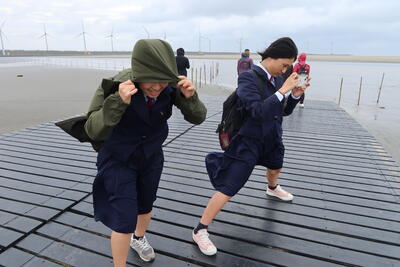
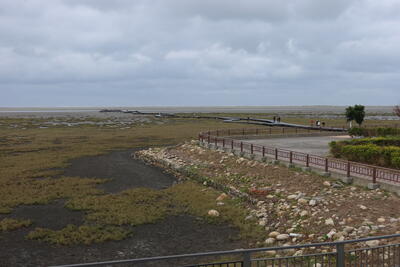
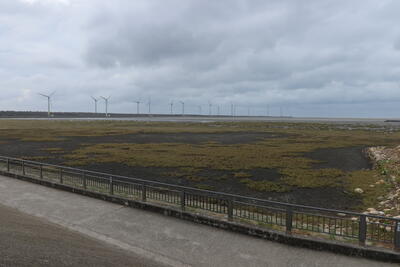
午後は高美湿原での実習です。
この湿原は元々干潟だったところが堤防の設置により湿原となったものです。
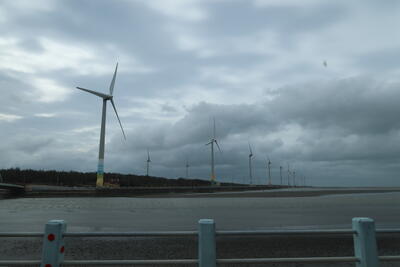
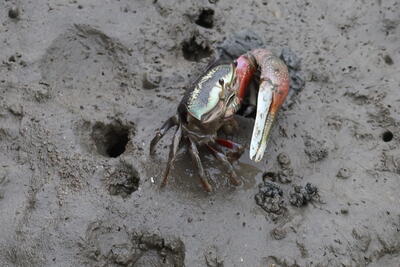
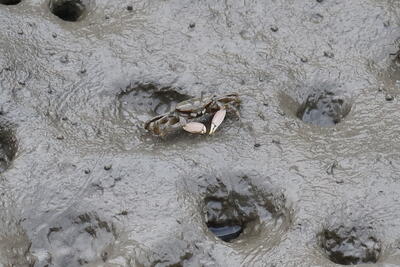
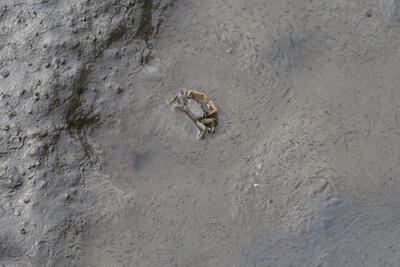
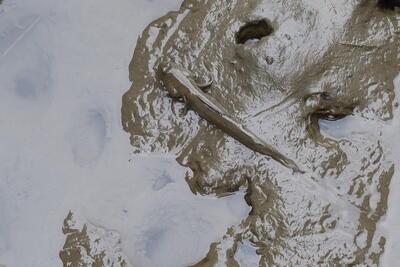
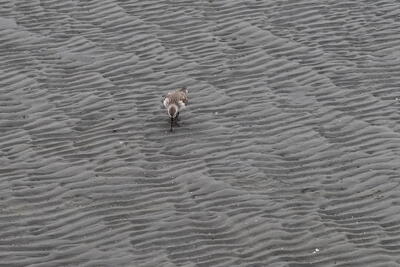
湿原の広大な土地を利用して、風力発電や漁業などが行われていますが、本来あった生態系の保全にも取り組み、一部が自然保護区にも指定されています。
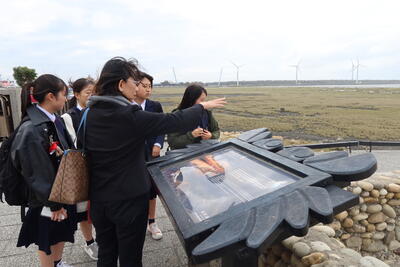
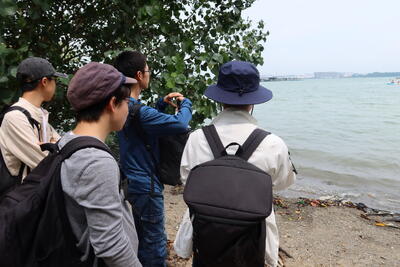
保護区に設置された桟橋や堤防から、自然と人間活動の両立について調査しました。
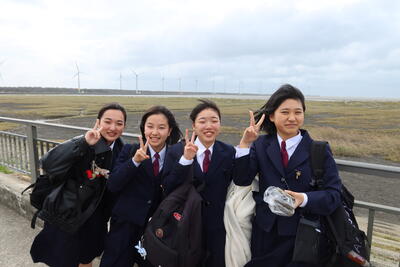
残念ながら、天候の悪化と強風(まっすぐ歩けませんでした)により予定よりも短縮した調査となりましたが、生徒たちは自然との両立だけでなく、自身の課題研究に関連した内容についても学びを深めていました。