タグ:地域課題
【ASⅠ】天草高校✕天草市✕熊本大学 連携講義 第1週目①
 各部担当者
各部担当者
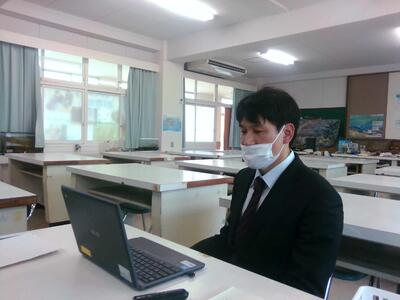
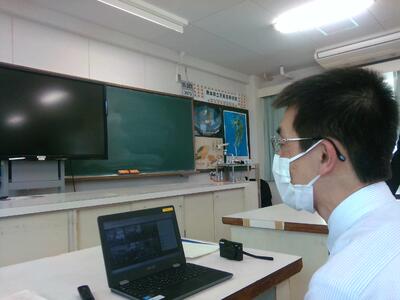
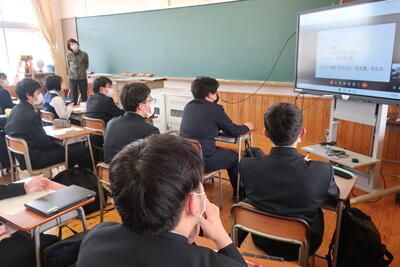
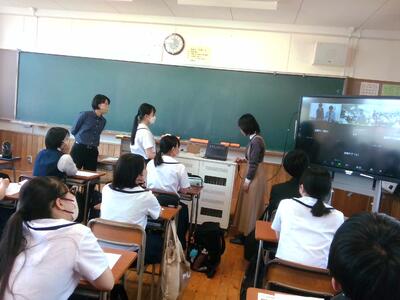
熊本大学と天草市役所から講師の皆様にお越しいただき、地域の魅力や課題について学ぶ3週連続の講義が始まりました。初回の本日は、熊本大学客員教授の鍋屋先生から、ご出身の田辺市で地域課題を「ピンチではなくチャンス」ととらえ、様々な課題を「ビジネス」で解決するために大人たちがどんなアクションを起こしているか、ワクワクする実例を数多くご紹介いただきました。
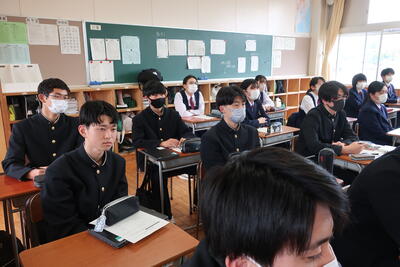
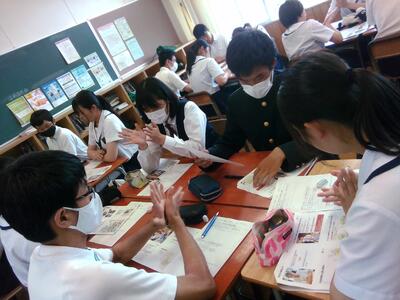
6時間目の後半は同じく熊本大学の尾山先生のご指導のもと、講義を通して心に残ったキーワードを使ってグループワークを行いました。「ローカルイノベーター」「スモールビジネス」「かっこいい大人」「起業」など、自分たちが書き留めた様々なキーワードを基にディスカッションを行いました。質疑応答では、「東京の企業が何を求めて地域にアプローチしているのか」という質問が出ました。「地域に赴いてリアルな地域課題に着目し、それを都会に持ち帰って新しいビジネスにつなげようとしている」という答えをいただき、なるほど!という顔でうなずいていた生徒たちでした。
次の記事に続きます。
A series of “Collaborative Lectures” started in ASⅠ, in which lecturers from Kumamoto University and Amakusa City visit us to talk about the charms and challenges of the region. In the first lecture today, Prof. Nabeya, a visiting professor at Kumamoto University, introduced many exciting examples of how adults in his hometown are taking action to solve various problems through “business” by viewing regional issues as "opportunities, not ”difficulties.”


Later in the 6th period, students had a group work session using what they learned from the lecture. Discussions were based on various keywords such as “local innovators,” “small business,” and “cool adults.” After the lecture, a student stood up asking a question, "What are Tokyo-based companies trying to find in regional towns?” The lecturer answered that more people in big cities are visiting small towns, to learn more about “real” regional issues, hoping to start new and innovative business in the future. Many students looked a little surprised to learn that people in big cities have found value in regional cities and towns like Amakusa.
【ATⅡ】本評価&提言書最終締切 / The Evaluation and Proposals
各部担当者
本日はE2の本評価と提言書の締切日でした。E2(地域を創造する)では、実験や調査の結果やそれらを根拠とした提案を地域に示すことができたかを問います。生徒はこれまでの研究でどのように地域とつながってきたか、また、地域の企業や自治体などと連携をしてきたかを本評価を通して振り返っていました。
評価が終わった生徒たちは、いよいよ本日が最終締切となった提言書の仕上げに取り組みます。提言書の中で、生徒たちはこれまでの研究結果をふまえ、地域課題の解決のための提案を具体的に数値とともに示すことを期待されています。控室・本評価実施教室・評価後の待機室は全て分かれており、全ての班員が顔を合わせて作業ができるわけではありません。別の場所にいながらも班員たちが協力し合えるのは、一人一台端末でドキュメントを共有して編集を行う仕組みが整っているからです(便利な時代になったものですね!)。さて、各班、提言書の中でしっかり根拠を示し、説得力のある提言ができているのでしょうか。締切まであと1時間、がんばって!
Today ATⅡstudents had their last evaluation, E2 (Creating a Community) , which asks whether they were able to show the results based on their research to the community. Through this evaluation, students reflected on how they have connected with the community in their research, and how they have collaborated with local businesses and communities.
After the evaluation, the students worked on their final proposals, which are due today. In their proposals, they are expected to present concrete and numerical proposals for solving local issues based on the results of their research. Since students had their evaluation interview separately, not all group members were able to work face to face. Still, they could communicate with each other and edit their proposals by sharing a document on a computer. Hope all went well, also, we are all looking forward to reading your persuasive proposals. Good luck!
【ATⅡ】本評価を行いました / An Evaluation Day
各部担当者
本日のATⅡでは、本評価を行いました。今回実施したE1(提案を創造する)の評価では、先行研究を自分たちの研究に活かせているか、地域課題解決のための新たな方法を提案できたかなどの質問をします。いつものように担当者との面談形式で行われた本評価のそれぞれの会場で、生徒たちはやや緊張した面持ちで、2年間行ってきた研究について一生懸命説明をしていました。
生徒たちは並行して「提言書」の推敲を行っています。今日は、ATⅡ(3年生)担当の先生方からのコメントを参照し、より説得力のある文章になるよう知恵を出し合っていました。いよいよ、来週は提言書の最終締切日。みんなの研究成果と知恵をぎゅっと詰め込んだ提言書が、天草市をより魅力的な「宝島」にする一歩になることを願っています。
We had evaluation interviews in today’s ATII class. This time, we had E1, which evaluates on “Creating Proposals,”, and of course all the students did their best. Each tried hard to explain their research in their own words, by answering questions such as the use of previous research or ways to solve regional problems.
Students who finished the interview-style evaluations, worked on editing their proposals to the city.They were discussing how to make their proposals more persuasive by referring to the comments of their teachers. The final deadline for the proposal is coming up next week. We hope that their proposals will have everyone's wisdom to make Amakusa even more attractive “Treasure Islands.”
【ATⅠ】田辺市の取組に学ぶ「これからの地域づくり」/ Learning advanced approaches in regional revitazation
本日のATⅠでは、和歌山県田辺市から熊本大学に出向されている鍋屋安則様より、田辺市での地方創生の取組について講義がありました。
天草市と同じような人口減少の課題を抱えている田辺市では、2016年に「たなべ未来創造塾」を立ち上げ、地方創生のための様々な取組で成果を上げています。今回の講義の中で、鍋屋さんは地方創生に欠かせない視点として、「地域と企業がwin-winとなること」を挙げられました。「塾生」の活躍例として、「ジビエ」等の地元食材を活用したり、調理で出た野菜くずを堆肥化して利用する等「地域循環型」のフレンチレストラン。「うなぎ」と「紀州梅」の禁断のコラボで地域食材の魅力をアピールしている鰻店など、地域課題を「ピンチ」ではなく、むしろ「チャンス」と捉えて活躍している「かっこいい大人」の事例をご紹介いただきました。
勢いのある和歌山弁で展開される、臨場感のあるプレゼンに生徒たちは引き込まれ、20分があっという間に過ぎていきました。講義後のディスカッションでは、「地域のために挑戦している大人はかっこいい」「地域の課題を解決するために大人がつながり、成果を出しているところがすごい」等の意見が出ていました。
熊本大学と天草市役所の方々の貴重な講義も来週で最後となりました。次回のATⅠでは、ついに、私達のふるさと天草でどのような取組がなされているかを見ていきます。この講義での学びや気づきを基に、自分たちにしかできない研究課題を見い出していってくれることを期待しています。
In today’s ATⅠ, we had Mr. Nabeya Yasunori, a Tanabe City employee, who now works as an assignee at Kumamoto Univ. He told us about some advanced approaches his city has been taking to revitalize the city.
Experiencing the population decline, Tanabe City in Wakayama launched a project called “Tanabe Mirai Sojo Juku,” a project for local people to learn and start new business plans. One perspective he introduced to us today was “creating win-win situations for both regions and businesses.” If companies and their people can’t make a business out of what they do, it would be something far from sustainable. He told us about a French restaurant featured in the Michelin Guide 2022, which uses local ingredients and makes compost from food waste. He also introduced an eel company that has produced a new product using their eels and Japanese pickled plums, which had long been regarded as a taboo (people in the old days believed that eels and plums don’t go well together). Many people in Tanabe don’t think their city is having a difficult time, but rather, believe they have more chances for a brighter future.
Mr. Tanebe’s energetic presentation, done with his powerful Wakayama dialect, fascinated students, and the twenty-minute lecture flew by in a blink. In the following discussion, they talked about the “cool adults", who have been trying their best for their region, or connecting with others and did produce results.
Next week we’ll have a look at some unique activities done by cool adults in our city. We hope these special lectures will help students find their own research topics in the near future.
【ATⅠ】オリエンテーション / SDGs
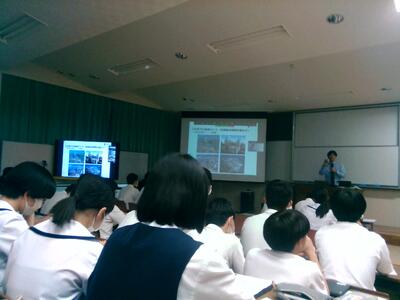
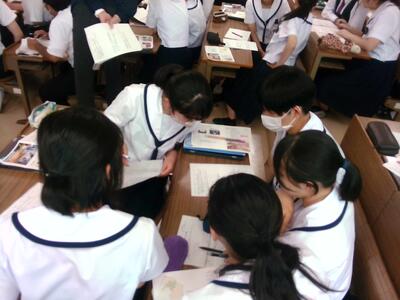
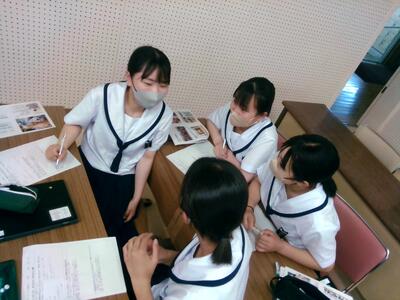
本日、2年生にとって初めてのATⅠの授業がありました。
「天草探究」の頭文字を取った「ATⅠ」とは、昨年度本校で開講した2年生対象の新しい科目です。昨年度のASⅠ(天草サイエンス)での知識や研究活動をベースとして、今年度、理系ASクラスの生徒はASⅡ、それ以外のクラスの生徒はATⅠで地域課題の解決を目指し、研究を継続していきます。企業や関係機関と連携を取ったり、専門家の助言を受けたりしながら実験や調査を進めていくなかで、生徒たちは先行研究を活用し、データを分析し、他者に考えを伝えていく力などを磨いていきます。
今日の授業では、ATのキーワードの1つであるSDGsに関する英語のビデオを視聴しました。SDGsについては、現在、英語コミュニケーションⅡのレッスンでも扱っています。これから「日本の宝島」天草を更に魅力的なものにするために、様々なアイデアを出して研究を進めていってくれるものと思います。
Today the second graders had their very first ATⅠ class.
AT, which stands for “Amakusa Tankyu,” or “Amakusa Inquiry Study” in English, is a new subject started last year at our school. Using the knowledge and skill they acquired in Amakusa Science (AS) Ⅰlast year, the students in AS class will continue on with their studies in ASⅡ, while all others conduct their research in AT. Cooperating with local companies and institutions, along with help of experts in various fields, students will be studying previous research, analyzing data, and presenting their ideas, cultivating the essential inquiring skills they need for their future studies.
In today’s class, they watched several videos in which they learned about SDGs. They have also been studying about SDGs in their English Communication classes. Students are expected to inquire a lot in their study in AT classes so that they can make our “Treasure Islands” Amakusa, a sustainable, and even more attractive place to live in.