タグ:提言
【ATⅡ】提言書&「極意」発表会 / Presentations to the 2nd graders
 各部担当者
各部担当者
ATⅠ(2年生)と同じ教室での活動も本日で最後。最初はぎこちなかった2、3年生も少しずつ打ち解けてきたところで、さみしい限りです。今日のATⅡは、3年生が2年生に対して「ミニ発表会」を行いました。各活動場所にて、3年生が天草市役所に向けて作成・提出した提言書の発表に加え、「課題研究3つの極意」と題して、3年間の課題研究を経験して学んだコツや2年生へのアドバイスを伝えてくれました。
どの班もメンバーで協力し合い、持ち前のプレゼンテーションスキルで分かりやすい発表をしてくれました。下記は、いくつかの班の発表タイトル(※「 」内を考える形式)です。
ATを「ワクワクさせる」ためのヒント!
ATで「先輩・先生方にけちょんけちょんにされない」ためのヒント!
ATで「評定5を取る」ためのヒント!
ATで「より正確な研究をする」ためのヒント!
ATを「未来につなげちゃう\(^o^)/」ためのヒント!
各班、オリジナリティ溢れるタイトルが並びます。思わず発表を聞きたくなってしまいますね!
2年生とは、今日をもちましてしばしお別れです。でも、これでATⅠ・Ⅱのつながりがなくなるわけではありません。2年生のみなさん、困ったらいつでも3年生に相談しにきてくださいね!
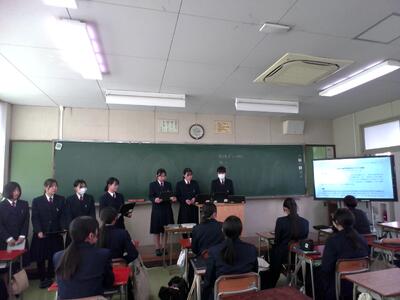
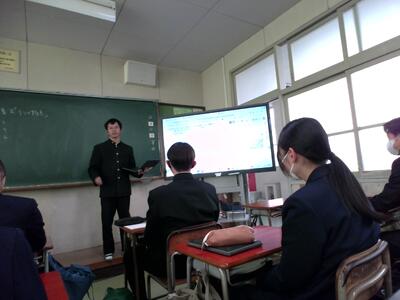
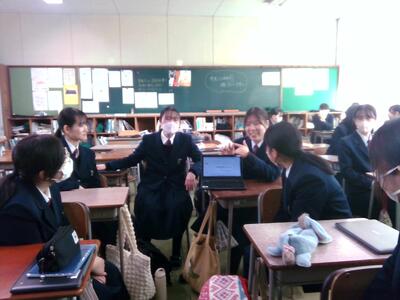
Today is the last day of activities in the same classroom as AT I (2nd graders). We will miss them! In today's ATII, the 3rd graders gave a “mini presentation” to the 2nd graders. In addition to presenting the proposals that they prepared and submitted to Amakusa City, they also shared tips and advice to the 2nd year students that they had learned through their three years of research, under the title of “3 Essentials of Research on the Subject”.
Each group gave wonderful and easily-understood presentations.You can see the titles of some of the groups below;
Tips to make AT exciting!
Tips for not getting choked up by seniors/teachers in AT!
Tips for getting the best grade” on the AT!
Tips to do more accurate research” on the AT!
Tips to connect your AT to the future!
Now you blog readers want to listen to all the presentations, right?
After today, we will say goodbye to the 2nd-year students for a while. However, it does not mean that the connection between AT I and II will be lost. 2nd year students, if you have any problems, please come and consult with us anytime!
【ATⅡ】あと3時間... / Only three classes to go...
各部担当者
早いもので、ATⅡも残すところあと3時間となりました。今日は特別時間割でATⅡが1時間目となり、何だかみんなそわそわしている感じもします。最初にSSH研究部の中村先生より来週の提言書発表会と今後の動きについてmeetで説明があり、その後は各班で来週に向けての準備を行いました。
11月末に提言書提出を終え、3年生はこれまでの探究活動をまとめ、後輩に伝えていく段階に入りました。来週のATⅡの時間には、提言書および3年間の活動で学んだことの発表を2年生に向けて行います。本日は、来週のATで提言書とともに発表する、後輩の課題研究をより良くするための「3つの極意」を各班で考えました。活発にディスカッションを行いながら、「テーマ設定」や「外部連携」など、特に伝えたい3つの観点で具体的なアドバイスをワークシートに書き込んでいきます。
授業の最後10分間は久しぶりの「わくわく交流タイム」。3年生の各班から2名ずつ派遣され、2年生の研究の悩みを聞いたり、助言をしたりする貴重な異学年交流の時間です。2・3年生が一緒に活動するのも来週で最後。3年生のみなさん、これまでの探究活動での経験や様々な「財産」を次の代の研究に引き継いでいけるよう、後輩のためにあとひと頑張り、よろしくお願いします!
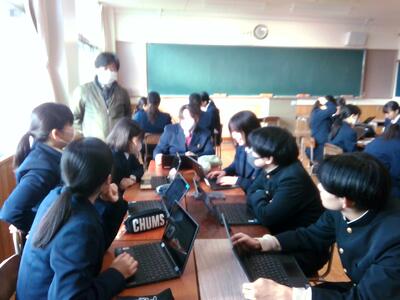
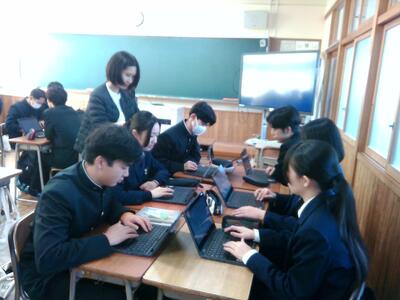
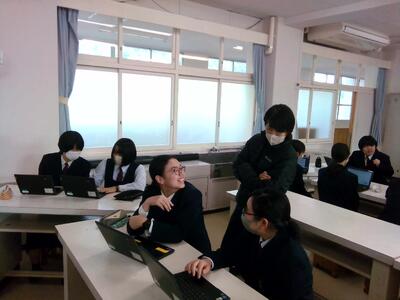
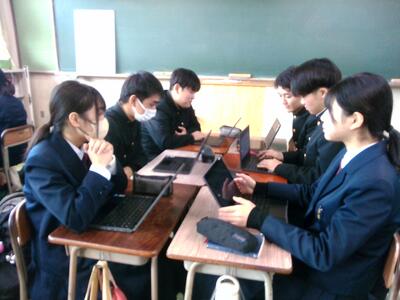
To our surprise, we have only three ATII classes left before graduation. After the submission of the proposal at the end of November, the 3rd-year students now start summarizing what they have learned through their research activities and passing them on to their juniors. Next week, the students will have presentations to the second-year students. Today, in preparation, each group discussed and came up with three key points to improve the 2nd-graders’ research projects. The students wrote specific advice on their worksheets based on the themes such as “Research theme setting” or “External collaboration.”
We had another “Exciting Exchange Time” in the last ten minutes of the class. During that period, two 3rd-grade students visited a 2nd-grade groups' group and asked about their research concerns then gave them some advice. We hope these exchange activities will be a help for the 2nd graders, who are expected to deepen their research studies.
【ATⅡ】本評価&提言書最終締切 / The Evaluation and Proposals
各部担当者
本日はE2の本評価と提言書の締切日でした。E2(地域を創造する)では、実験や調査の結果やそれらを根拠とした提案を地域に示すことができたかを問います。生徒はこれまでの研究でどのように地域とつながってきたか、また、地域の企業や自治体などと連携をしてきたかを本評価を通して振り返っていました。
評価が終わった生徒たちは、いよいよ本日が最終締切となった提言書の仕上げに取り組みます。提言書の中で、生徒たちはこれまでの研究結果をふまえ、地域課題の解決のための提案を具体的に数値とともに示すことを期待されています。控室・本評価実施教室・評価後の待機室は全て分かれており、全ての班員が顔を合わせて作業ができるわけではありません。別の場所にいながらも班員たちが協力し合えるのは、一人一台端末でドキュメントを共有して編集を行う仕組みが整っているからです(便利な時代になったものですね!)。さて、各班、提言書の中でしっかり根拠を示し、説得力のある提言ができているのでしょうか。締切まであと1時間、がんばって!
Today ATⅡstudents had their last evaluation, E2 (Creating a Community) , which asks whether they were able to show the results based on their research to the community. Through this evaluation, students reflected on how they have connected with the community in their research, and how they have collaborated with local businesses and communities.
After the evaluation, the students worked on their final proposals, which are due today. In their proposals, they are expected to present concrete and numerical proposals for solving local issues based on the results of their research. Since students had their evaluation interview separately, not all group members were able to work face to face. Still, they could communicate with each other and edit their proposals by sharing a document on a computer. Hope all went well, also, we are all looking forward to reading your persuasive proposals. Good luck!
【ATⅡ】本評価を行いました / An Evaluation Day
各部担当者
本日のATⅡでは、本評価を行いました。今回実施したE1(提案を創造する)の評価では、先行研究を自分たちの研究に活かせているか、地域課題解決のための新たな方法を提案できたかなどの質問をします。いつものように担当者との面談形式で行われた本評価のそれぞれの会場で、生徒たちはやや緊張した面持ちで、2年間行ってきた研究について一生懸命説明をしていました。
生徒たちは並行して「提言書」の推敲を行っています。今日は、ATⅡ(3年生)担当の先生方からのコメントを参照し、より説得力のある文章になるよう知恵を出し合っていました。いよいよ、来週は提言書の最終締切日。みんなの研究成果と知恵をぎゅっと詰め込んだ提言書が、天草市をより魅力的な「宝島」にする一歩になることを願っています。
We had evaluation interviews in today’s ATII class. This time, we had E1, which evaluates on “Creating Proposals,”, and of course all the students did their best. Each tried hard to explain their research in their own words, by answering questions such as the use of previous research or ways to solve regional problems.
Students who finished the interview-style evaluations, worked on editing their proposals to the city.They were discussing how to make their proposals more persuasive by referring to the comments of their teachers. The final deadline for the proposal is coming up next week. We hope that their proposals will have everyone's wisdom to make Amakusa even more attractive “Treasure Islands.”
【ATⅡ】わくわく交流タイム!/ "Exciting Exchange" time!
各部担当者
これからしばらくの期間、3年生は「提言書」、2年生は「研究計画書」の作成に取り組むことになります。授業中の様子を観察してみると、2・3年生はどちらもドキュメントを作成しているのですが、3年生には活発にディスカッションしながら活動をしている班が多い一方、2年生には静かに活動している班が多い印象です。さて、異学年交流が進むことで、この状態に変化が出てくるのでしょうか?
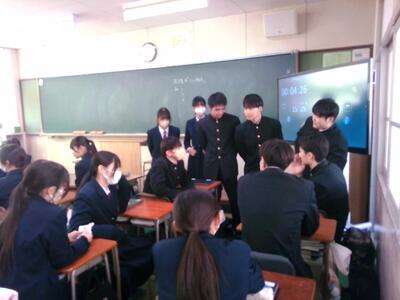
さて、授業の終わりごろ、満を持して(?)始まった「わくわく交流タイム」。ある班では、最初に軽く自己紹介と研究内容について説明をした後、2年生の研究について話を聞いています。「研究テーマ決まった?」「今、計画書どこまで進んでる?」「どうやって調査するの?」さすが、聞き上手な3年生、うまく2年生の言葉を引き出しながら交流会をリードします。「私たちは市役所の人にもらったデータを研究で使ったよ。これは発表で使ったスライドなんだけど…」と、ARP研究成果最終発表会で使った資料を見せながら上手に説明をしているようです。
少し時間があるので、隣の班も覗いてみましょう。こちらでは、商品開発に取り組んできた3年生が熱く語っています。「…やっぱりね、どうやって数値で見せられるかが本当に大事。何回かデータを取って比較したり、自分の研究以外でも同じような研究があれば、そこから使えるデータがないか探してみたり。数値がないと、説得力に欠けるって絶対突っ込まれるから、まずは使えるデータをしっかり集められるように…」なるほど! ポスター作成時などに担当者から「数値データは?」と繰り返し「突っ込まれた」実体験が、ここで活かせましたね!
そんなこんなで無事(?)終了した、第1回の「ワクワク交流タイム」。最初は恥ずかしそうにしていた生徒たちも、交流の後半には自然と笑顔になり、中には時間が足りなくなった班もあったようです。かわいい後輩のために、3年生のみなさん、来週もよろしくお願いします!
↓ 班の前方にいる2名が3年生、班でまとまって話を聞いているのが2年生です。実りある交流会になりました!

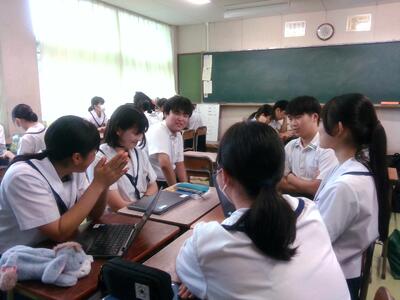
In ATⅡand Ⅲ, 3rd-year students will be working on their “Proposals” and 2-year students on their “Research Plans. In the last ten minutes of the class today, we had the “Exciting Exchange” time. During this 10 minutes' of time, two students of the 3rd grade are visiting a 2nd graders' group, and they will listen to the 2nd graders and answer their questions on their research.
Well, let's have a close look at one of the groups. After introducing themselves and explaining what they have done, the 3rd-year students are listening to the second-year students talk about their research. "Have you decided on your research theme?" "How far along are you with your research plan?" "How are you going to do your research?" - The third-year students are excellent listeners, and they lead the meeting by eliciting the second-year students' words. The 3rd-year students continue, "We used the data we got from the city hall for our research. This is the slide that we used in our presentation...” - They are explaining while showing the materials they used in the final presentation of the ARP research results, which is so easy to understand!
Now, let's take a peek at another group. Here, the 3rd-year students, who have been working on product development, are speaking passionately: “...I think it's really important to be able to show the results in numerical form. You should take data several times and compare them. Also, you may find some data you can use in similar research. If you don't have enough data to support your hypothesis, you will be criticized for not being persuasive enough, so I recommend you try to gather ALL the data you can...” - Wow! He is surely making use of his experience this time, and it would be a great help for the 2nd graders!
So, this is what happened during our first “Exciting Exchange” in AT class. The students, who were shy at first, naturally started smiling in the latter half of the period, and some of the groups even ran out of time. Thank you so much, 3rd-graders, and please help the younger students next week again!